From Screening to Surgery: What a Complete Skin Cancer Patient Journey Looks Like

Why Understanding the Journey Matters
A skin cancer diagnosis often arrives unexpectedly. Perhaps you noticed a spot that was not there before, or your partner pointed out a lesion on your back that had changed. Maybe your family physician flagged something during a routine check-up. However you arrived at this point, you now face a process that may feel unfamiliar and daunting.
Understanding what lies ahead, step by step, can significantly reduce anxiety. When you know what to expect at each stage, the unknown becomes manageable. This article walks you through the complete patient journey at the Kaplan Dermatology Practice, from the first phone call to long-term follow-up, so that you can approach your care with clarity and confidence.
Step 1: Initial Consultation and Skin Examination
What happens: Your journey begins with a thorough consultation with Dr. Yehonatan Kaplan. This is more than a quick look at a single spot. Dr. Kaplan performs a thorough examination of the lesion that brought you in, as well as a broader skin survey to identify any other areas of concern.
Dermoscopy: A key component of the examination is dermoscopy, a non-invasive technique that uses a specialized magnifying instrument with polarized light to examine the structures beneath the skin surface. Dermoscopy greatly improves the accuracy of clinical diagnosis compared to examination with the naked eye alone. It allows Dr. Kaplan to evaluate the architecture, color patterns, and vascular structures of a lesion, providing important information about whether it is benign, precancerous, or malignant.
Discussion: After the examination, Dr. Kaplan discusses his findings with you in plain language. If a lesion appears suspicious for BCC, SCC, or another condition, he will explain why and recommend the next step.
Timeline: This visit typically takes 30 to 45 minutes. If you have been referred for a specific lesion, the focused evaluation may be shorter, but Dr. Kaplan always takes the time needed to be thorough.
Step 2: Biopsy (Often the Same Visit)
If a lesion requires histopathological confirmation, a biopsy is typically performed during the initial consultation. There is no need to schedule a separate appointment.
What happens: Depending on the lesion's characteristics and location, Dr. Kaplan will perform one of several biopsy types. A shave biopsy removes a thin layer from the surface. A punch biopsy uses a small circular blade to obtain a deeper sample. An incisional biopsy removes a portion of a larger lesion for analysis.
The procedure: The area is cleaned and numbed with local anesthesia. The biopsy itself takes only a few minutes and causes minimal discomfort. The wound is dressed, and you receive clear instructions for home care.
What happens to the sample: The tissue specimen is sent to a dermatopathology laboratory for microscopic examination. The pathologist evaluates the tissue and issues a detailed report confirming the type of lesion and, if cancerous, its specific subtype and characteristics.
Timeline: Biopsy results typically arrive within five to seven business days. The clinic contacts you promptly once results are available.
Step 3: Diagnosis and Results Discussion
What happens: When the pathology results are ready, Dr. Kaplan reviews them and contacts you to discuss the findings. If the biopsy confirms skin cancer, whether BCC or SCC, this conversation covers the specific type and subtype of cancer, the implications for treatment, and the recommended approach.
What you learn: You will understand the nature of your diagnosis, including whether the tumor is low-risk or high-risk, and why a particular treatment is recommended. For many BCCs and SCCs, Mohs micrographic surgery is the gold standard, particularly for tumors on the face and other sensitive areas. For more straightforward cases, standard excision may be appropriate.
Reassurance: It is important to know that the vast majority of BCC and SCC cases are highly treatable. BCC almost never spreads to distant sites, and most SCCs are caught early enough that complete surgical removal is curative. Dr. Kaplan takes time during this conversation to address your concerns and provide honest reassurance.
Timeline: This discussion typically happens within one week of the biopsy. Treatment planning begins immediately.
Step 4: Treatment Planning
What happens: Based on the pathology report, the tumor's location and size, and your individual health factors, Dr. Kaplan develops a tailored treatment plan.
For Mohs surgery candidates: If your tumor is on the face, ears, nose, eyelids, lips, or another high-risk or cosmetically sensitive location, Mohs micrographic surgery is typically recommended. Dr. Kaplan explains the procedure in detail, including what to expect on the day of surgery, the typical duration, anesthesia, and the reconstruction process.
For standard excision candidates: For tumors in lower-risk locations, such as the trunk or extremities, standard surgical excision with predetermined margins may be recommended. This is a simpler procedure but still requires careful planning to ensure complete removal.
Practical preparation: You receive specific instructions about what to wear, what to bring, and what to arrange in terms of transportation home. You should continue taking all your regular medications without any changes. If the surgery is at Assuta Medical Center or Herzliya Medical Center, you receive details about the facility.
Timeline: Surgery is typically scheduled within one to three weeks of diagnosis, depending on the urgency and the patient's schedule.
Step 5: Mohs Surgery or Excision
Mohs Micrographic Surgery:
You arrive at the medical center in the morning. The procedure is performed under local anesthesia, so you are awake and comfortable throughout. Dr. Kaplan marks the visible tumor boundaries and removes the first thin layer of tissue. This layer is processed in the on-site laboratory while you wait in a comfortable recovery area.
The tissue processing and microscopic examination takes approximately 30 to 45 minutes per layer. Dr. Kaplan examines 100 percent of the surgical margin. If cancer cells are found at any edge, he returns to remove another thin layer only from the specific area where cancer remains. This cycle repeats until all margins are clear.
Most tumors require one to three layers, which means the surgical portion of the day typically takes two to four hours, including waiting time between layers. For BCC, Mohs surgery achieves a cure rate of 99 percent.
Standard Excision:
The tumor is removed with a predetermined margin of healthy tissue, typically three to five millimeters around the visible cancer. The wound is closed with sutures. The tissue is sent to an external pathology lab for margin assessment.
Timeline: Mohs surgery is completed in a single day. Standard excision is a shorter procedure, but final margin confirmation takes several days.
Step 6: Reconstruction
What happens: After Mohs surgery confirms clear margins, Dr. Kaplan immediately proceeds to reconstruct the surgical wound. The reconstruction technique depends on the size and location of the defect.
Options include: Direct closure with sutures for smaller wounds. Local flap reconstruction, which repositions adjacent tissue to fill the defect while maintaining natural contours. Skin grafts for larger defects where local tissue is insufficient.
Dr. Kaplan's training in both Mohs surgery and reconstructive techniques means that the surgeon who removed the cancer is the same specialist who repairs the wound. This continuity ensures the best possible functional and cosmetic result.
What to expect: Reconstruction adds approximately 30 to 60 minutes to the procedure. You leave the clinic with the wound fully closed and dressed, along with detailed aftercare instructions.
Step 7: Post-Operative Recovery
The first week: You will have a dressing over the surgical site. Dr. Kaplan provides specific wound care instructions, including how to clean and dress the area. Mild discomfort, swelling, and bruising are normal and usually manageable with over-the-counter pain relief.
Suture removal: Depending on the location, sutures are typically removed five to fourteen days after surgery. Facial sutures are often removed earlier to optimize the cosmetic outcome.
Healing: Most Mohs surgery wounds heal well, though the final appearance of the scar continues to improve over several months. Sun protection of the healing area is essential.
Step 8: Follow-Up and Long-Term Surveillance
Why follow-up matters: After treatment for BCC or SCC, regular follow-up is essential. Patients who have had one skin cancer are at increased risk of developing another. Studies show that approximately 30 to 50 percent of patients diagnosed with BCC will develop a new BCC within five years.
Follow-up schedule: Dr. Kaplan typically recommends follow-up visits every six months for the first two years, then annually thereafter. Each visit includes a thorough skin examination with dermoscopy, wound and scar assessment, and evaluation for any new or changing lesions.
Your role: Between visits, you are your own best monitor. Regular self-skin examinations, consistent sun protection, and prompt reporting of any new or changing lesions are all important parts of long-term care.
How the Dr. Kaplan's practice Streamlines This Journey
At the Dr. Kaplan's practice, the goal is to make each step as smooth and efficient as possible. The initial consultation and biopsy happen in a single visit. Results are communicated promptly. Surgery is scheduled without unnecessary delay. Mohs surgery with on-site pathology and immediate reconstruction means the treatment is completed in one day. Follow-up is consistent and thorough.
The result is a patient journey that is thorough yet streamlined, thorough yet efficient, and clinically excellent yet deeply human. At every stage, you are treated by a specialist who knows your case, answers your questions, and is committed to achieving the best possible outcome for your health and your peace of mind.
Sources & References
Medical Disclaimer
This article is for informational purposes only and does not constitute medical advice. Always consult a qualified dermatologist for diagnosis and treatment. The information provided should not be used for self-diagnosis or as a substitute for professional medical care.
About the Author
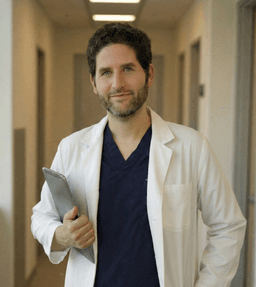
M.D., Dermatologic Surgery & Mohs Specialist, ACMS Fellow
Dr. Yehonatan Kaplan is a dermatology specialist with a US-trained fellowship in Mohs micrographic surgery and dermatologic oncology. He is a Fellow of the American College of Mohs Surgery (ACMS) and a member of the ASDS, with experience in over 5,000 Mohs procedures.
Medically reviewed on February 28, 2026
Related Articles
On-Site Pathology in Skin Cancer: Faster Answers, Better Outcomes
On-site pathology during Mohs surgery enables real-time margin assessment and same-day complete treatment. Learn how this approach delivers faster answers and better outcomes for skin cancer patients.
Read More →Patient CareSame-Day Skin Biopsy and Treatment: How We Reduce the Wait
Waiting weeks between biopsy and treatment adds unnecessary stress. Learn how the see-and-treat model allows same-day biopsy and treatment for eligible skin lesions, reducing visits and anxiety.
Read More →Patient CareDiagnosis and Treatment Under One Roof: Why It Matters for Skin Cancer
Fragmented skin cancer care causes delays and anxiety. Learn how an integrated one-stop clinic model with diagnosis, pathology, and treatment under one roof improves outcomes and patient experience.
Read More →