On-Site Pathology in Skin Cancer: Faster Answers, Better Outcomes

Understanding the Role of Pathology in Skin Cancer
When a skin lesion is biopsied or surgically removed, the tissue must be examined under a microscope by a trained specialist to determine exactly what it is, whether it is cancerous, and whether it has been completely removed. This process, known as histopathological analysis, is the definitive step in diagnosing and confirming the treatment of skin cancer.
In the traditional model of care, this tissue examination happens at an external pathology laboratory. The surgeon removes the lesion, places it in a specimen container, and sends it to a lab that may be across the city or even in another region. A pathologist at that laboratory processes the tissue, prepares microscopic slides, examines them, and issues a report. This process typically takes anywhere from five to fourteen days, and sometimes longer.
During that waiting period, the patient lives with uncertainty. Has the cancer been completely removed? Are the margins clear? Will a second surgery be necessary? These are questions that can only be answered once the pathology report arrives.
On-site pathology changes this equation fundamentally.
What On-Site Pathology Means
On-site pathology refers to the processing and microscopic examination of tissue specimens at the same facility where the surgery takes place, often during the procedure itself. Instead of sending tissue to a distant laboratory and waiting days for results, the tissue is processed in a dedicated laboratory within the surgical suite or in the same medical center.
The most developed form of on-site pathology in skin cancer care is the real-time tissue processing that occurs during Mohs micrographic surgery. In this specialized procedure, performed by Dr. Yehonatan Kaplan at Assuta Medical Center and Herzliya Medical Center, each thin layer of tissue is removed, mapped, processed into frozen sections, stained, and examined microscopically while the patient waits. The entire cycle, from tissue removal to microscopic examination, takes approximately 30 to 45 minutes per layer.
This means that within the span of a single surgical session, the surgeon can determine with precision whether cancer cells remain at any margin and exactly where they are. No waiting for days. No second surgery scheduled weeks later. The answer comes in real time.
How Mohs Surgery Uses Real-Time Pathology
Mohs micrographic surgery is uniquely dependent on on-site pathology. It is, in fact, defined by it. The procedure was developed precisely because conventional surgical pathology could not provide the complete margin assessment that skin cancer treatment demands.
Here is how the process works in practice.
Dr. Kaplan removes a thin layer of tissue from the tumor site. This layer is carefully marked with colored dyes to preserve its orientation, so that any remaining cancer cells can be mapped back to their exact location on the patient's body. The tissue is then taken to the on-site laboratory.
In the laboratory, a specially trained histotechnician processes the tissue using a cryostat, a device that rapidly freezes the specimen and allows it to be cut into extremely thin sections, typically just five to six micrometers thick. These sections are placed on glass slides, stained with appropriate dyes, and prepared for microscopic examination.
Dr. Kaplan then examines these slides under the microscope, evaluating one hundred percent of the surgical margin. This is a key distinction from conventional pathology, which typically examines only a small sampling of the margins, sometimes referred to as the bread-loaf technique. With Mohs surgery, every edge of the removed tissue is examined, leaving no gaps in the analysis.
If cancer cells are found at any margin, Dr. Kaplan knows precisely where they are. He returns to the patient, removes another thin layer of tissue only from the area where cancer remains, and the process repeats. This cycle continues until the margins are completely clear.
For basal cell carcinoma, this approach achieves a cure rate of 99 percent, the highest of any treatment method.
The Advantage of Immediate Margin Assessment
The ability to assess margins immediately, rather than waiting for external lab results, provides several important advantages.
Complete cancer removal is confirmed before the patient leaves. In conventional surgery, a patient may undergo excision and go home believing the cancer has been removed, only to learn days later that the margins were not clear. This necessitates a second surgery, with all the associated stress, scheduling difficulties, and additional healing time. With real-time pathology during Mohs surgery, clearance is confirmed during the procedure.
Tissue conservation is maximized. Because the surgeon can see exactly where cancer cells remain, only affected tissue is removed in subsequent layers. There is no need to take wide margins as a precautionary measure, as is done in conventional excision. This is particularly important for tumors on the face, where preserving healthy tissue directly affects the cosmetic and functional outcome.
Reconstruction can proceed immediately. Once clear margins are confirmed, Dr. Kaplan can close the wound or perform reconstructive surgery during the same session. There is no need to leave a wound open while awaiting pathology results, which would be uncomfortable for the patient and increase the risk of infection.
Fewer total procedures are needed. The combination of real-time diagnosis and immediate reconstruction means that what might otherwise require two or three separate procedures, the initial excision, a second excision for positive margins, and reconstruction, is accomplished in a single visit.
Comparison with External Lab Turnaround Times
To appreciate the impact of on-site pathology, consider the timelines involved in conventional external laboratory processing.
After a standard excision, the tissue specimen is placed in formalin and transported to a pathology laboratory. The lab processes the tissue through fixation, embedding in paraffin wax, sectioning, and staining. This routine processing typically takes three to five business days. However, during busy periods, backlogs can extend this to seven to fourteen days.
Once the pathologist examines the slides and issues a report, the report must be transmitted back to the surgeon. The surgeon reviews it, contacts the patient, and, if margins are positive, schedules a re-excision. The re-excision itself then requires another round of pathology processing.
In a worst-case scenario, a patient with positive margins after initial excision might wait two to three weeks for the first pathology report, then another two to four weeks for the re-excision to be scheduled and performed, followed by another week or more for the second pathology report. The total time from first surgery to confirmed clear margins can stretch to two months or longer.
Contrast this with Mohs surgery and on-site pathology: the patient arrives in the morning, undergoes the procedure with real-time margin checks, and leaves the same day with the cancer confirmed as completely removed and the wound reconstructed. The entire process typically takes three to five hours.
Enabling Same-Day Complete Treatment
The practical significance of on-site pathology extends beyond speed. It enables a fundamentally different treatment paradigm: same-day complete treatment.
In the Mohs surgery model as practiced by Dr. Kaplan, a patient's entire skin cancer treatment, from the first incision to final reconstruction, happens in a single day. There is no going home with an open wound. There is no waiting for a phone call about margins. There is no scheduling a second surgery.
This is possible only because the pathology is happening in real time, on site. Remove the on-site pathology component, and the entire integrated workflow collapses back into the fragmented, multi-visit model that creates delays and anxiety.
For patients, this means fewer days away from work, fewer trips to the medical center, and, most importantly, the peace of mind that comes from knowing the job is done.
The Human Side of Faster Answers
Numbers and timelines tell one part of the story. The human experience tells another.
Patients who have undergone Mohs surgery with on-site pathology consistently describe the relief of receiving real-time confirmation that their cancer has been removed. There is no prolonged period of wondering. No sleepless nights waiting for a phone call from the lab. The uncertainty is resolved while they are still in the care of their surgeon.
This immediacy also allows for a more honest and informed conversation between doctor and patient. When Dr. Kaplan examines the tissue and finds clear margins, he can share this information with the patient directly, in person. If additional tissue removal is needed, he can explain exactly why, show the patient the pathology map, and proceed with confidence. This transparency builds trust and reduces anxiety.
Quality and Accuracy of On-Site Pathology
A natural question is whether speed compromises accuracy. The answer, supported by decades of research, is that it does not. The frozen section technique used in Mohs surgery has been extensively validated and, when performed by properly trained surgeons and histotechnicians, provides diagnostic accuracy that meets or exceeds conventional paraffin-embedded pathology for margin assessment.
Dr. Kaplan's training in Mohs surgery includes extensive experience in interpreting frozen section pathology. This dual expertise, as both surgeon and pathologist of the margins, is a hallmark of Mohs-trained physicians and is essential to the procedure's extraordinary cure rates.
What This Means for You
If you are facing treatment for basal cell carcinoma or squamous cell carcinoma, understanding the role of pathology in your care can help you make informed decisions. On-site pathology, particularly as part of Mohs micrographic surgery, offers a level of precision, efficiency, and peace of mind that the traditional model cannot match.
At the Dr. Kaplan's practice, on-site pathology is not an optional upgrade. It is part of the standard of care. Every Mohs surgery patient benefits from real-time tissue analysis, immediate margin confirmation, and same-day reconstruction. It is how skin cancer treatment should be done.
Sources & References
Medical Disclaimer
This article is for informational purposes only and does not constitute medical advice. Always consult a qualified dermatologist for diagnosis and treatment. The information provided should not be used for self-diagnosis or as a substitute for professional medical care.
About the Author
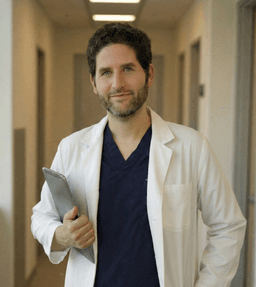
M.D., Dermatologic Surgery & Mohs Specialist, ACMS Fellow
Dr. Yehonatan Kaplan is a dermatology specialist with a US-trained fellowship in Mohs micrographic surgery and dermatologic oncology. He is a Fellow of the American College of Mohs Surgery (ACMS) and a member of the ASDS, with experience in over 5,000 Mohs procedures.
Medically reviewed on February 28, 2026
Related Articles
From Screening to Surgery: What a Complete Skin Cancer Patient Journey Looks Like
Understanding each step of the skin cancer treatment process reduces anxiety. Follow the complete patient journey from initial screening and dermoscopy through Mohs surgery, reconstruction, and follow-up care.
Read More →Patient CareSame-Day Skin Biopsy and Treatment: How We Reduce the Wait
Waiting weeks between biopsy and treatment adds unnecessary stress. Learn how the see-and-treat model allows same-day biopsy and treatment for eligible skin lesions, reducing visits and anxiety.
Read More →Patient CareDiagnosis and Treatment Under One Roof: Why It Matters for Skin Cancer
Fragmented skin cancer care causes delays and anxiety. Learn how an integrated one-stop clinic model with diagnosis, pathology, and treatment under one roof improves outcomes and patient experience.
Read More →