Same-Day Skin Biopsy and Treatment: How We Reduce the Wait

The Burden of Waiting
For most patients, the worst part of a skin cancer scare is not the diagnosis itself. It is the waiting. Waiting for the biopsy appointment. Waiting for the results. Waiting for the surgical date. Each interval feels longer than the last, and the uncertainty that fills those gaps can be genuinely distressing.
Traditionally, the process from initial suspicion to definitive treatment involves multiple visits spread across several weeks. A general practitioner refers you to a dermatologist. The dermatologist biopsies the lesion and sends the sample to a laboratory. Results arrive days or weeks later. A treatment plan is discussed, and surgery is scheduled for a future date. By the time the cancer is actually removed, a month or more may have passed.
But what if it did not have to take that long? What if, for the right patients and the right lesions, diagnosis and treatment could happen on the same day?
The See-and-Treat Model
The see-and-treat approach is a clinical model in which a suspicious lesion is evaluated, biopsied, and, when appropriate, definitively treated during a single visit. This model has been adopted by leading skin cancer centers around the world because it directly addresses the most common source of patient frustration: unnecessary waiting.
The concept is straightforward. When a patient presents with a lesion that has a high clinical probability of being a non-melanoma skin cancer, specifically basal cell carcinoma (BCC) or squamous cell carcinoma (SCC), an experienced dermatologic surgeon can often make a confident clinical and dermoscopic assessment. If the clinical picture strongly suggests a straightforward BCC or SCC, treatment can proceed the same day rather than waiting for biopsy results before acting.
This does not mean bypassing proper diagnosis. In many cases, a shave biopsy or punch biopsy is performed and sent for histopathological confirmation, while definitive treatment, such as excision, is carried out during the same session. The biopsy and treatment happen together, not sequentially with a weeks-long gap between them.
When Same-Day Treatment Is Possible
Not every skin lesion is suitable for same-day treatment. The see-and-treat model works best when certain conditions are met.
The lesion should have a high clinical probability of being BCC or SCC based on visual examination and dermoscopy. An experienced dermatologic surgeon like Dr. Yehonatan Kaplan can often identify these cancers with a high degree of confidence before any biopsy is performed. Years of training and pattern recognition, combined with dermoscopic techniques, allow for reliable clinical diagnosis.
The tumor should be in a location and of a size that allows for straightforward surgical management. Small to medium BCCs and SCCs on the trunk or extremities are often excellent candidates for same-day excision. More complex cases, such as tumors on the face, near the eyes, or in cosmetically sensitive areas, may be better served by scheduled Mohs micrographic surgery, which requires dedicated operating time and real-time pathology.
The patient should be medically stable and able to undergo a minor surgical procedure. Most excisions of BCC and SCC are performed under local anesthesia and are well tolerated, but the patient needs to be prepared for the possibility of same-day surgery when they arrive for their consultation.
Finally, the patient should want same-day treatment. Some patients prefer time to process a diagnosis before undergoing surgery, and that preference is always respected. Informed consent and patient comfort are paramount.
Patient Preference for Immediate Treatment
Research into patient preferences consistently reveals a strong desire to minimize the number of medical visits and reduce the time between diagnosis and treatment. Studies conducted in dermatologic surgery settings have found that the majority of patients, when given the option, prefer same-day treatment over a return visit.
The reasons are intuitive. Fewer visits mean less disruption to work and family life. Immediate treatment eliminates the anxiety of knowing you have cancer and waiting for it to be removed. And from a practical standpoint, a single visit for diagnosis and treatment is more convenient than navigating multiple appointments, especially for patients who must travel to reach their specialist.
At the Dr. Kaplan's practice, patients are informed at the time of booking that same-day treatment may be possible. This allows them to prepare mentally and logistically. If, during the consultation, Dr. Kaplan determines that the lesion is suitable for immediate treatment and the patient agrees, the procedure is performed that day. If the clinical situation warrants a more complex approach, such as Mohs surgery, the procedure is scheduled promptly.
Reducing the Number of Visits
Consider the difference in visit burden between the traditional pathway and the see-and-treat model.
In the traditional pathway, a patient might have five or more separate appointments: the initial GP visit, the dermatology consultation, a return visit for biopsy results, a pre-surgical consultation, and the surgery itself. Each appointment requires scheduling, travel, waiting room time, and recovery time.
In the see-and-treat model, this can be condensed to as few as two visits: the initial consultation with same-day treatment, and a follow-up to check healing and review the final pathology results. For straightforward cases, the reduction from five visits to two represents a significant improvement in the patient experience.
This efficiency is not about cutting corners. Every diagnostic and surgical standard is maintained. The difference is that unnecessary waiting periods between steps are eliminated, and the patient benefits from a more streamlined process.
Reducing Anxiety
The psychological impact of a skin cancer diagnosis should not be underestimated. Even though BCC and SCC are highly treatable and rarely life-threatening, the word "cancer" carries enormous emotional weight. Patients experience fear, anxiety, and sometimes a sense of urgency that is difficult to reconcile with a weeks-long wait for treatment.
The see-and-treat model directly addresses this by compressing the most anxiety-producing phase of care: the gap between knowing something is wrong and having it definitively treated. When a patient walks into the clinic with a suspicious lesion and walks out with it removed and the wound expertly closed, the psychological relief is immediate and tangible.
Dr. Kaplan understands that treating skin cancer goes beyond removing abnormal cells. It is about caring for the whole patient, including their emotional state. By offering same-day treatment when clinically appropriate, the clinic prioritizes both medical excellence and human compassion.
Types of Lesions Eligible for Same-Day Treatment
The following types of lesions are commonly treated on the same day as the initial consultation:
Nodular basal cell carcinoma is the most common type of BCC, presenting as a pearly, dome-shaped nodule, often with visible blood vessels. These are typically well-defined and can be excised with standard surgical margins on the same day.
Superficial basal cell carcinoma appears as a flat, reddish, scaly patch, often on the trunk. These can sometimes be treated with same-day excision or, in select cases, with topical therapies initiated at the first visit.
Well-differentiated squamous cell carcinoma that presents as a firm, keratotic nodule or plaque can often be excised on the same day if it is in a suitable location and of manageable size.
Actinic keratoses with suspected progression to early SCC may be biopsied and treated in a single visit, particularly when the clinical suspicion is high.
Bowen's disease (squamous cell carcinoma in situ) is another condition that lends itself well to the see-and-treat approach, as the diagnosis is often clinically apparent and treatment options can be initiated immediately.
For tumors in high-risk locations, those with aggressive histological features, or recurrent cancers, Mohs micrographic surgery remains the treatment of choice. While Mohs surgery is not typically performed on the same day as the initial consultation, it is scheduled promptly, and the integrated nature of the Dr. Kaplan's practice ensures minimal delay.
What to Expect
If you are visiting the Dr. Kaplan's practice for a suspicious skin lesion, here is what you can expect with the see-and-treat approach.
You will receive a thorough skin examination, including dermoscopic assessment of the lesion in question. Dr. Kaplan will discuss his clinical impression with you openly and honestly. If the lesion appears suitable for same-day treatment and you are comfortable proceeding, the area will be prepared with local anesthesia, the lesion will be excised, and the wound will be closed with sutures.
The excised tissue is sent for histopathological analysis to confirm the diagnosis and assess the surgical margins. You will return for a follow-up visit to have sutures removed and discuss the pathology results.
Throughout this process, you are in the care of a single specialist who knows your case intimately. There is no fragmentation, no miscommunication, and no unnecessary delay.
A Better Way Forward
The see-and-treat model represents a patient-centered evolution in skin cancer care. By reducing the number of visits, compressing the timeline from diagnosis to treatment, and addressing the emotional burden of waiting, it delivers a better experience without compromising medical standards.
If you have a skin lesion that concerns you, do not let the prospect of a long, drawn-out process discourage you from seeking evaluation. At the Dr. Kaplan's practice, efficient care and excellent care are not mutually exclusive. They are complementary.
Sources & References
Medical Disclaimer
This article is for informational purposes only and does not constitute medical advice. Always consult a qualified dermatologist for diagnosis and treatment. The information provided should not be used for self-diagnosis or as a substitute for professional medical care.
About the Author
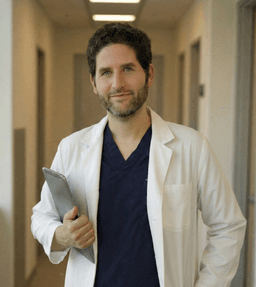
M.D., Dermatologic Surgery & Mohs Specialist, ACMS Fellow
Dr. Yehonatan Kaplan is a dermatology specialist with a US-trained fellowship in Mohs micrographic surgery and dermatologic oncology. He is a Fellow of the American College of Mohs Surgery (ACMS) and a member of the ASDS, with experience in over 5,000 Mohs procedures.
Medically reviewed on February 28, 2026
Related Articles
Diagnosis and Treatment Under One Roof: Why It Matters for Skin Cancer
Fragmented skin cancer care causes delays and anxiety. Learn how an integrated one-stop clinic model with diagnosis, pathology, and treatment under one roof improves outcomes and patient experience.
Read More →Patient CareFrom Screening to Surgery: What a Complete Skin Cancer Patient Journey Looks Like
Understanding each step of the skin cancer treatment process reduces anxiety. Follow the complete patient journey from initial screening and dermoscopy through Mohs surgery, reconstruction, and follow-up care.
Read More →Patient CareOn-Site Pathology in Skin Cancer: Faster Answers, Better Outcomes
On-site pathology during Mohs surgery enables real-time margin assessment and same-day complete treatment. Learn how this approach delivers faster answers and better outcomes for skin cancer patients.
Read More →