Mohs Surgery for Skin Cancer on the Nose: What to Expect

Key Facts
- #1 most common location for BCC is the nose
- 99% cure rate for nasal BCC with Mohs surgery
- 1-3 Mohs layers are typically needed for nasal skin cancers
- 6-12 months for the final cosmetic result to fully mature
Why the Nose Is the Most Common Location for Skin Cancer
Of all the places on the body where skin cancer can develop, the nose is by far the most frequent site for basal cell carcinoma (BCC). This is not a coincidence. The nose is the most prominent feature of the face, projecting outward and receiving direct sun exposure throughout the day. In Israel, where ultraviolet radiation levels are high for much of the year, the nose is particularly vulnerable.
The nose also has relatively thin skin with complex underlying structures, including cartilage, bone, and the delicate tissues that form the nostrils. When skin cancer develops here, treatment must balance two essential goals: complete cancer removal and preservation of both appearance and function. This is precisely why Mohs micrographic surgery is the treatment of choice for skin cancer on the nose.
“The nose is the most common site I treat with Mohs surgery. Because I plan the reconstruction before the first layer is removed, my patients receive complete cancer clearance and optimal cosmetic repair in a single procedure.”
Why Mohs Surgery Is Ideal for the Nose
Standard surgical excision removes the visible tumor along with a predetermined margin of surrounding tissue, typically 3 to 5 millimeters. On the nose, where every millimeter of tissue matters, this approach can result in unnecessarily large wounds. If the pathology report later shows positive margins, a second surgery becomes necessary, creating an even larger defect.
Mohs surgery eliminates these problems. By examining 100 percent of the tissue margins in real time, Dr. Yehonatan Kaplan can remove only the cancerous tissue and nothing more. This tissue-sparing approach is especially important on the nose for several reasons.
Preserving the natural shape. The nose has a complex three-dimensional structure with curves, angles, and transitions between different tissue types. Removing excess tissue can distort the nasal contour in ways that are both aesthetically noticeable and difficult to reconstruct.
Maintaining nasal function. The nose is not just a cosmetic feature. It is essential for breathing, filtering air, and humidifying the respiratory system. Overly aggressive surgery near the nostrils or nasal sidewall can compromise airflow.
Achieving the highest cure rate. With a 99 percent cure rate for BCC, Mohs surgery provides the best chance of curing the cancer in a single procedure, avoiding the need for repeated surgeries that can progressively damage nasal tissue. To understand the science behind this cure rate, see our article on why Mohs surgery achieves a 99 percent cure rate.
Common Nose Locations for Skin Cancer
Skin cancer can appear anywhere on the nose, but certain areas are more common and each presents unique surgical challenges.
The nasal tip. This is the most prominent part of the nose and receives the most sun exposure. BCC here often requires careful reconstruction because the skin is tightly attached to the underlying cartilage, with little room for simple closure.
The nasal sidewall (ala). The lateral sides of the nose are another common location. Cancer near the alar crease, the natural fold where the nose meets the cheek, requires precise technique to preserve this important aesthetic landmark.
The dorsum (bridge). The bridge of the nose has relatively more mobile skin, which often allows for simpler reconstruction. However, defects here are highly visible.
Near the nostrils. Cancer near the nostril rim is among the most challenging to treat because of the free margin of the nostril and the importance of maintaining symmetric nostrils and adequate airflow.
Reconstruction Options After Mohs Surgery on the Nose
Once the cancer has been completely removed, the reconstruction phase begins. Dr. Kaplan carefully evaluates the size, depth, and location of the wound to determine the best repair technique. The goal is always to restore the nose to its most natural appearance and function.
Primary closure (direct stitching). For smaller defects, especially on the nasal bridge or sidewall where there is more skin laxity, the wound edges can sometimes be brought together directly with stitches. This is the simplest repair and typically produces an excellent cosmetic result with a thin, well-hidden scar.
Local skin flaps. When the defect is too large for direct closure, a local flap uses adjacent skin to fill the wound. There are several well-established flap techniques for the nose.
The bilobed flap is commonly used for defects on the nasal tip and lower third of the nose. It rotates nearby skin in two connected arcs to cover the wound while distributing tension evenly.
The dorsal nasal rotation flap uses skin from the upper nose to cover defects on the nasal tip, taking advantage of the relatively looser skin on the bridge.
The nasolabial flap, also known as a melolabial flap, borrows skin from the cheek area along the natural fold beside the nose. This is particularly useful for larger defects on the nasal sidewall.
Skin grafts. In cases where a flap is not feasible, a full-thickness skin graft may be used. The donor skin is typically taken from behind the ear or the upper eyelid, areas that provide a similar texture and color match. While grafts require a longer healing process, they can produce very good cosmetic results.
Staged reconstruction. For very large or complex defects, reconstruction may be performed in two or more stages to optimize both functional and aesthetic outcomes.
What Does the Cosmetic Outcome Look Like?
This is one of the most common questions patients ask, and the answer is genuinely reassuring. In the hands of an experienced Mohs surgeon, the cosmetic outcomes for nasal reconstruction are consistently excellent.
Immediately after surgery, there will be swelling, bruising, and a visible suture line. This is entirely normal. Over the following weeks and months, the scar undergoes a maturation process. It is often reddish or pink initially, then gradually fades and flattens. By six months to one year, the scar is typically a thin, pale line that blends naturally with the surrounding skin. For tips on optimizing your scar, read our article on minimizing scars after Mohs surgery.
Factors that influence the final cosmetic result include the size of the original tumor, the reconstruction technique used, how well you follow post-operative wound care instructions, sun protection during healing, and your individual healing characteristics.
Dr. Kaplan's Approach to Nasal Mohs Surgery
Dr. Yehonatan Kaplan approaches every nasal skin cancer case with a dual focus on oncologic completeness and aesthetic reconstruction. Before surgery begins, Dr. Kaplan evaluates the tumor thoroughly, considering its size, borders, depth, and specific location on the nose. This assessment informs both the surgical plan and the reconstruction strategy.
Dr. Kaplan performs Mohs surgery at Assuta Hospital (available for Maccabi patients) and Herzliya Medical Center (available for Clalit patients). Both hospitals are equipped with the on-site laboratory facilities essential for the real-time tissue processing that Mohs surgery requires.
An important aspect of Dr. Kaplan's approach is that the reconstruction is planned in advance and performed as part of the same procedure. This means that you do not need to see a separate surgeon for the repair. The person who understands the defect best, the Mohs surgeon who created it, is the same person who reconstructs it. This continuity of care is important for optimal results.
Recovery After Nasal Mohs Surgery
Recovery from Mohs surgery on the nose follows a predictable timeline, though every patient's experience is slightly different.
During the first 48 hours, a pressure bandage covers the surgical site. There is typically moderate swelling and possibly some bruising. Mild to moderate discomfort is managed with paracetamol.
During the first week, stitches remain in place. The area will feel tight and look swollen. Sleeping with your head elevated helps reduce swelling.
During weeks two and three, stitches are usually removed between days 7 and 14, depending on the specific location and reconstruction type. The skin continues to heal and redness gradually decreases.
Over the following months, the scar matures and softens. Sun protection is essential during this period. For a detailed breakdown, visit our Mohs surgery recovery timeline.
Addressing Common Fears
Will my nose look different? In most cases, the nose looks remarkably natural after full healing. Some patients worry about significant disfigurement, but modern reconstruction techniques, especially when performed by an experienced Mohs surgeon, produce results that most people outside your immediate family will not notice.
What if the cancer is large? Even larger tumors can be treated effectively with Mohs surgery. A larger defect requires more complex reconstruction, but Dr. Kaplan has extensive experience with these cases and will discuss the reconstruction plan with you before surgery.
Can the cancer come back? While no treatment can guarantee a zero percent recurrence rate, the 99 percent cure rate for BCC means that recurrence after Mohs surgery is very rare. Regular follow-up examinations are still important, and Dr. Kaplan will establish a monitoring schedule appropriate for your situation.
If you have been diagnosed with skin cancer on the nose and want to learn more about what to expect, review our complete guide to Mohs surgery or our pre-surgery preparation checklist to feel fully prepared for your procedure.
Sources & References
Medical Disclaimer
This article is for informational purposes only and does not constitute medical advice. Always consult a qualified dermatologist for diagnosis and treatment. The information provided should not be used for self-diagnosis or as a substitute for professional medical care.
About the Author
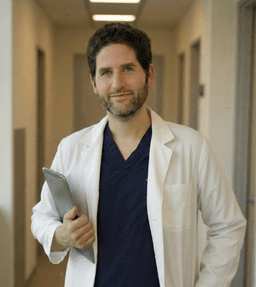
M.D., Dermatologic Surgery & Mohs Specialist, ACMS Fellow
Dr. Yehonatan Kaplan is a dermatology specialist with a US-trained fellowship in Mohs micrographic surgery and dermatologic oncology. He is a Fellow of the American College of Mohs Surgery (ACMS) and a member of the ASDS, with experience in over 6,000 Mohs procedures.
Medically reviewed on February 28, 2026
Related Articles
Why Mohs Surgery Has a 99% Cure Rate: The Science Explained
Mohs surgery achieves a 99% cure rate for basal cell carcinoma, significantly higher than any other treatment method. This article explains the scientific principles behind this exceptional success rate, including real-time margin analysis and complete tissue examination.
Read More →Mohs SurgeryMohs Surgery on the Face: Eyelid, Ear, and Lip Options
Skin cancer on the eyelid, ear, or lip requires a surgeon who understands both cancer removal and the delicate anatomy of each area. Learn why Mohs surgery is the preferred treatment for these challenging facial locations and what reconstruction options are available.
Read More →Mohs SurgeryMinimizing Scars After Mohs Surgery: Expert Tips
Scarring after Mohs surgery is a natural part of healing, but there is a great deal you can do to minimize its appearance. Learn why Mohs produces better cosmetic outcomes than standard excision, and discover proven techniques for optimal scar healing.
Read More →