Mohs Surgery on the Face: Eyelid, Ear, and Lip Options

Key Facts
- 90% of facial skin cancers occur on the nose, eyelids, ears, and lips
- 99% cure rate for facial BCC with Mohs surgery
- 50% of eyelid BCCs occur on the lower eyelid
- 1mm misalignment of the lip vermilion border is visually noticeable
Why Facial Skin Cancers Require a Specialized Approach
The face is far more than an aesthetic feature. It is the center of human expression, communication, and identity. Every structure on the face, from the eyelids to the ears to the lips, serves both functional and cosmetic purposes. When skin cancer develops in any of these areas, the treatment must accomplish two things simultaneously: remove every cancer cell and preserve the structure and function of the affected area.
This is precisely why Mohs micrographic surgery is the recommended treatment for basal cell carcinoma (BCC) and squamous cell carcinoma (SCC) in these sensitive facial locations. The layer-by-layer approach with real-time microscopic examination ensures that only cancerous tissue is removed, preserving the maximum amount of healthy tissue. On the face, where millimeters matter, this precision is not a luxury. It is a necessity.
Dr. Yehonatan Kaplan has extensive experience performing Mohs surgery on all areas of the face, including the most anatomically challenging locations. Each area presents its own unique considerations, and understanding these can help you feel more prepared if you are facing treatment.
“On the face, every millimeter matters. Mohs surgery allows me to remove the cancer completely while preserving the delicate structures that are essential for both appearance and function.”
Mohs Surgery on the Eyelid
Why the Eyelid Is a Common Location
The eyelids are thin, sun-exposed skin that is highly susceptible to both BCC and SCC. The lower eyelid and the inner corner of the eye, known as the medial canthus, are particularly common sites. Despite their small size, eyelid cancers require meticulous treatment because of the complex anatomy involved.
Unique Challenges
The eyelids are among the thinnest skin on the body. They contain multiple functional layers including skin, muscle, connective tissue, and the conjunctiva that lines the inner surface. Beneath the eyelids sit the tear drainage system, the orbital septum, and the eye itself. Disrupting any of these structures can affect eyelid closure, tear drainage, and even vision.
The medial canthus presents a particular challenge because BCC in this location tends to grow deeper than it appears on the surface. Cancer cells can track along the natural tissue planes, extending further than what is visible. Mohs surgery's layer-by-layer examination is especially valuable here because it can detect these hidden extensions that standard excision might miss.
Reconstruction Options
Reconstruction of eyelid defects depends on the size and specific location of the wound.
Small defects on the lower eyelid can often be closed directly or with a simple skin flap. The key is to avoid pulling the eyelid downward, which could expose the eye and cause dryness or irritation.
Larger defects may require more complex reconstruction, such as a rotation flap from adjacent eyelid skin or a full-thickness skin graft from the opposite upper eyelid, which provides an excellent color and texture match.
Defects involving the eyelid margin, the edge where the eyelashes sit, require especially precise repair to maintain proper eyelid closure and a smooth margin.
In some complex cases, Dr. Kaplan may collaborate with an oculoplastic surgeon to achieve the best functional and cosmetic outcome.
Mohs Surgery on the Ear
Why the Ear Is Vulnerable
The ears are highly exposed to the sun, particularly the upper rim, known as the helix, and the area in front of the ear. Many people do not think to apply sunscreen to their ears, and ears are often left uncovered by hats. In Israel, where outdoor activities are a way of life and UV radiation is strong, the ears are a frequent site for both BCC and SCC.
Unique Challenges
The ear is composed almost entirely of cartilage covered by thin skin with minimal subcutaneous fat. There is very little tissue to spare, and the three-dimensional shape of the ear, with its curves, ridges, and folds, makes reconstruction technically demanding.
SCC on the ear deserves particular attention because it tends to behave more aggressively in this location compared to other facial sites. Complete removal with clear margins is essential, and Mohs surgery provides the highest degree of certainty that all cancer cells have been eliminated. The 97 percent cure rate for SCC with Mohs surgery is significantly higher than the approximately 92 percent rate achieved with standard excision.
Reconstruction Options
Small defects on the ear bowl, known as the conchal bowl, can often heal well with secondary intention, meaning the wound is allowed to fill in naturally without stitches. This concave area provides an ideal environment for this type of healing.
Defects on the helical rim may require a wedge excision, where a small section of the ear is removed and the edges brought together, resulting in a slightly smaller ear that typically looks very natural.
Larger defects may require cartilage grafting and local skin flaps to rebuild the ear's contour. The post-auricular area, the skin behind the ear, is an excellent source of donor tissue for these reconstructions.
Mohs Surgery on the Lip
Why the Lip Requires Special Attention
The lips are a transition zone between facial skin and the oral mucosa. The lower lip is particularly susceptible to SCC, often related to cumulative sun exposure. BCC can also occur on the skin above and below the lips, including the Cupid's bow area and the chin.
Unique Challenges
The lips serve essential functions including eating, drinking, speaking, and facial expression. The vermilion border, the sharp line between the colored lip and the surrounding skin, is one of the most aesthetically important landmarks on the face. Even a minor distortion of this border is immediately noticeable.
The orbicularis oris muscle that encircles the mouth and enables lip movement lies just beneath the surface. Reconstruction must preserve this muscle's function to maintain proper lip competence, the ability to keep the mouth closed and prevent drooling, as well as normal speech and expression.
Reconstruction Options
Small defects on the lip skin, outside the vermilion, can often be closed directly with careful alignment of the skin lines.
Defects involving the vermilion border require meticulous alignment to avoid a visible step-off. Even a 1 millimeter misalignment of the vermilion border can be noticeable, so precise surgical technique during reconstruction is essential.
Larger defects involving the lip proper may require local flaps such as an Abbe flap, which borrows tissue from the opposite lip, or advancement flaps that slide adjacent tissue into the defect. These techniques can restore lip function and appearance even after significant tissue removal.
For very large defects, staged reconstruction may be necessary to achieve the best functional and aesthetic result.
Dr. Kaplan's Expertise in Facial Mohs Surgery
Dr. Yehonatan Kaplan brings specialized training and extensive experience to every facial Mohs surgery case. His approach emphasizes several key principles.
Pre-operative planning. Before the first layer is removed, Dr. Kaplan evaluates the tumor thoroughly and develops a reconstruction plan, so that repair can begin immediately after the cancer is cleared.
Tissue preservation. Dr. Kaplan's experience in anatomically complex areas ensures that every millimeter of healthy tissue is retained.
Functional outcomes. Maintaining function, whether that means eyelid closure, ear structure, or lip competence, is part of the surgical plan from the start, not an afterthought.
Cosmetic excellence. Reconstruction techniques are chosen and executed with the best possible cosmetic outcome in mind, because Dr. Kaplan understands that living with a visible facial scar affects quality of life.
Dr. Kaplan performs facial Mohs surgery at Assuta Hospital, which is available for Maccabi patients, and at Herzliya Medical Center, available for Clalit patients. Both facilities provide the specialized laboratory capabilities that Mohs surgery requires.
What to Expect After Facial Mohs Surgery
Recovery from facial Mohs surgery follows the general timeline outlined in our week-by-week Mohs surgery recovery guide, with some location-specific considerations.
Eyelid surgery may cause significant bruising and swelling around the eyes that lasts 1 to 2 weeks. Cool compresses and head elevation help manage this.
Ear surgery typically causes less swelling but the ear may be tender for several weeks. A protective bandage should be worn as directed to protect the reconstruction.
Lip surgery can cause swelling that temporarily affects speech and eating. A soft diet may be recommended for the first few days. Lip movement returns to normal as swelling resolves.
For all facial locations, sun protection during healing is essential. Learn more about protecting your scar and optimizing your cosmetic result in our article on minimizing scars after Mohs surgery.
Moving Forward with Confidence
Being told you need surgery on your face is understandably distressing. But understanding that Mohs surgery is designed specifically for these situations, that it offers the highest cure rates with the most precise tissue preservation, can provide genuine reassurance. You are not just treating your cancer. You are treating it in the way that gives you the best chance of looking and feeling like yourself afterward.
If you have additional questions about your upcoming procedure, review our list of 10 questions to ask your dermatologist before Mohs surgery, or read our complete guide to Mohs surgery for a thorough overview of the entire process.
Sources & References
Medical Disclaimer
This article is for informational purposes only and does not constitute medical advice. Always consult a qualified dermatologist for diagnosis and treatment. The information provided should not be used for self-diagnosis or as a substitute for professional medical care.
About the Author
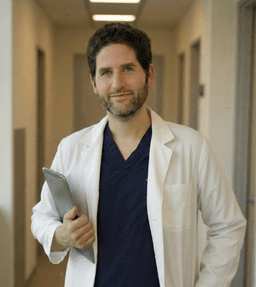
M.D., Dermatologic Surgery & Mohs Specialist, ACMS Fellow
Dr. Yehonatan Kaplan is a dermatology specialist with a US-trained fellowship in Mohs micrographic surgery and dermatologic oncology. He is a Fellow of the American College of Mohs Surgery (ACMS) and a member of the ASDS, with experience in over 6,000 Mohs procedures.
Medically reviewed on February 28, 2026
Related Articles
Why Mohs Surgery Has a 99% Cure Rate: The Science Explained
Mohs surgery achieves a 99% cure rate for basal cell carcinoma, significantly higher than any other treatment method. This article explains the scientific principles behind this exceptional success rate, including real-time margin analysis and complete tissue examination.
Read More →Mohs SurgeryMinimizing Scars After Mohs Surgery: Expert Tips
Scarring after Mohs surgery is a natural part of healing, but there is a great deal you can do to minimize its appearance. Learn why Mohs produces better cosmetic outcomes than standard excision, and discover proven techniques for optimal scar healing.
Read More →Mohs SurgeryMohs Surgery Recovery: A Week-by-Week Healing Timeline
Knowing what to expect after Mohs surgery can ease anxiety and help you heal optimally. This detailed timeline covers every phase from the first day through the final cosmetic result at one year.
Read More →