Minimizing Scars After Mohs Surgery: Expert Tips

Key Facts
- 4-6 mm margins in standard excision, versus minimal removal in Mohs surgery
- 2-3 weeks after surgery: when silicone therapy and scar massage begin
- 12-24 hours a day of silicone sheeting, for at least 2-3 months
- SPF 30 or higher on the scar whenever you go outside, for at least 12 months
- 12-18 months the scar keeps improving. Do not judge the result early
Why Scarring Concerns Are Completely Valid
When you are facing Mohs surgery, it is natural to worry not just about the cancer itself but also about the scar it will leave behind. This is especially true when the surgery is on the face, where scars are visible to the world every day. These concerns are valid, and Dr. Yehonatan Kaplan takes them seriously. The goal of Mohs surgery is always twofold: complete cancer removal and the best possible cosmetic outcome.
The reassuring truth is that Mohs surgery is specifically designed to minimize scarring compared to other skin cancer treatments. And beyond the technique itself, there are proven strategies you can use during recovery to help your scar heal as inconspicuously as possible.
“Sun protection on the scar matters most in the first months, because a scar exposed to sun can stay darker. I recommend sunscreen on the scar area every time you go outside, including in winter.”
Why Mohs Surgery Produces Less Scarring Than Standard Excision
The fundamental advantage of Mohs surgery when it comes to scarring is tissue preservation. In standard excision, the surgeon removes the visible tumor along with a safety margin of 3 to 5 millimeters of surrounding tissue, and sometimes more. The actual extent of the cancer is not known until the pathology report comes back days later. If the margins are positive, meaning cancer cells were found at the edges, a second surgery is needed, resulting in an even larger wound.
Mohs surgery changes this equation entirely. Because the tissue is examined under the microscope in real time, with 100 percent of the margin evaluated, only the tissue that actually contains cancer is removed. The wound is as small as it can possibly be while still achieving complete cancer clearance. A smaller wound means less tissue disruption, which means a smaller and less noticeable scar.
For a detailed explanation of this process, see our complete guide to what Mohs surgery is and how it works.
Reconstruction Techniques That Minimize Scarring
The reconstruction phase of Mohs surgery is where surgical artistry meets medical science. Dr. Kaplan selects the reconstruction technique based on the size, shape, depth, and location of the wound, with the primary cosmetic goal of creating a scar that follows natural skin lines and is as inconspicuous as possible.
Primary closure. When the wound can be closed directly with stitches, Dr. Kaplan orients the incision line along the natural skin tension lines, also known as relaxed skin tension lines or Langer's lines. Scars that run parallel to these lines tend to heal flatter and become less visible over time.
Local flaps. For larger wounds, especially on the nose, cheeks, and forehead, local skin flaps redistribute nearby tissue to fill the defect. A well-designed flap hides its incision lines in natural creases, wrinkle lines, or at the junction between different facial regions, making the scar blend naturally with the surrounding anatomy.
Skin grafts. When flaps are not suitable, a full-thickness skin graft provides donor skin matched closely to the color and texture of the recipient site, often from behind the ear or the upper eyelid.
Regardless of the technique, Dr. Kaplan uses fine suture materials and layered closure techniques that minimize tension on the skin surface, both of which contribute to better scar quality.
Post-Operative Scar Care: Proven Strategies
What you do after surgery has a meaningful impact on your final scar. These evidence-based strategies can significantly improve your cosmetic outcome.
Silicone Sheets and Silicone Gel
Silicone-based scar products are the most well-studied and widely recommended scar treatment in dermatology. They work by hydrating the scar tissue and creating an optimal environment for collagen remodeling.
Silicone sheets are thin, flexible patches that you place directly over the scar. They are reusable and typically worn for 12 to 24 hours per day. For facial scars, sheets can be worn at night and removed during the day.
Silicone gel is a clear, quick-drying gel that can be applied under sunscreen and makeup, making it more practical for visible facial scars during the day.
Begin using silicone products once the wound is fully closed and any stitches have been removed, typically 2 to 3 weeks after surgery. Continue for at least 2 to 3 months for best results. Some patients benefit from longer use.
Scar Massage
Gentle scar massage is a simple but effective technique that helps break down excess collagen fibers and promotes a softer, flatter scar.
When to start. Begin scar massage approximately 2 to 3 weeks after surgery, once the wound is fully closed and any scabs have fallen off. Check with Dr. Kaplan before starting.
How to do it. Apply a small amount of moisturizer, petroleum jelly, or silicone gel to your fingertip. Using moderate pressure, make small circular motions over the scar for 2 to 3 minutes, two to three times per day. The pressure should be firm enough to blanch the skin slightly but should not cause pain.
How long to continue. Continue scar massage for at least 2 to 3 months, or longer if the scar remains firm or raised.
Sun Protection: Essential in Israel
Sun protection is arguably the single most important factor in scar appearance, and it is particularly important for patients living in Israel where ultraviolet radiation levels are high throughout much of the year.
A healing scar is highly susceptible to UV-induced pigmentation changes. Sun exposure can cause the scar to become permanently darker than the surrounding skin, a condition called post-inflammatory hyperpigmentation, or it can cause the surrounding skin to tan while the scar stays pale, making it more visible by contrast.
SPF 30 or higher. Apply a broad-spectrum sunscreen with SPF 30 or higher to the scar every single day, even on cloudy days and even in winter. UV radiation in Israel is significant year-round.
Reapply frequently. Sunscreen should be reapplied every 2 hours when outdoors, or after swimming or sweating.
Physical protection. When possible, cover the scar with a bandage, hat, or clothing. A wide-brimmed hat provides excellent protection for facial scars on the nose, cheeks, and forehead.
Duration. Continue strict sun protection for at least 12 months after surgery. Many dermatologists recommend ongoing protection of the scar area indefinitely.
Wound Care in the Early Weeks
Proper wound care during the first few weeks sets the foundation for optimal scar formation.
Keep the wound moist. Applying a thin layer of petroleum-based ointment to the wound prevents crust formation and promotes faster, smoother healing. Research consistently shows that moist wound healing produces better scars.
Do not pick at scabs or crusts. Let them fall off naturally. Picking can damage fragile new tissue and worsen scarring.
Clean gently. Wash the area gently with mild soap and water during bandage changes.
The Timeline of Scar Maturation
Understanding how scars evolve over time helps set realistic expectations and prevents unnecessary worry during the normal healing phases.
Weeks 1 to 2. The scar is a fresh surgical line, typically red and slightly swollen. This is the inflammatory phase.
Weeks 2 to 6. The scar may become more red, firm, or slightly raised. This is the proliferative phase, where your body is actively producing collagen to strengthen the repair. This is normal and does not mean the scar will stay this way.
Months 2 to 6. The scar enters the remodeling phase. Redness gradually fades, firmness softens, and elevation decreases. This is when silicone products and scar massage have their greatest impact.
Months 6 to 12. The scar reaches its near-final appearance. It is typically a thin, pale line that is significantly less noticeable than it was during the early months. For a complete week-by-week breakdown, see our detailed Mohs surgery recovery timeline.
Beyond 12 months. Scars can continue to improve subtly for up to 2 years after surgery.
When to Seek Additional Treatment
In most cases, the combination of skilled surgical reconstruction and diligent post-operative scar care produces an excellent cosmetic result. However, if after 6 to 12 months you feel that your scar is more noticeable than expected, additional options may be available.
Laser treatments can reduce redness and improve texture.
Intralesional steroid injections can flatten raised or hypertrophic scars.
Scar revision surgery may be considered for scars that did not heal optimally.
Discuss any concerns with Dr. Kaplan at your follow-up appointments. It is important to allow adequate time for natural maturation before pursuing additional interventions, as many scars that look concerning at 3 months look excellent at 12 months.
The Bottom Line
Scarring after Mohs surgery is an inevitable part of the healing process, but it does not have to be a source of lasting distress. The combination of Mohs surgery's tissue-sparing approach, expert reconstruction, and diligent post-operative care consistently produces cosmetic outcomes that patients are pleased with. Focus on the things within your control: follow your wound care instructions, protect the scar from the sun, use silicone products, and practice gentle scar massage. Your patience and consistency will be rewarded.
If you are preparing for an upcoming procedure, our pre-surgery checklist can help you feel ready for surgery day.
Sources & References
Medical Disclaimer
This article is for informational purposes only and does not constitute medical advice. Always consult a qualified dermatologist for diagnosis and treatment. The information provided should not be used for self-diagnosis or as a substitute for professional medical care.
About the Author
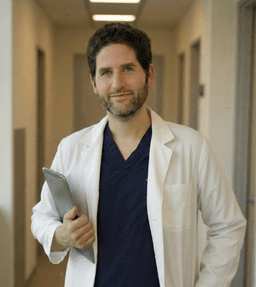
M.D., Dermatologic Surgery & Mohs Specialist, ACMS Fellow
Dr. Yehonatan Kaplan is a dermatology specialist with a US-trained fellowship in Mohs micrographic surgery and dermatologic oncology. He is a Fellow of the American College of Mohs Surgery (ACMS) and a member of the ASDS, with experience in over 6,000 Mohs procedures.
Medically reviewed on September 1, 2026
Related Articles
Why Mohs Surgery Has a 99% Cure Rate: The Science Explained
Mohs surgery achieves a 99% cure rate for basal cell carcinoma, significantly higher than any other treatment method. This article explains the scientific principles behind this exceptional success rate, including real-time margin analysis and complete tissue examination.
Read More →Mohs SurgeryMohs Surgery on the Face: Eyelid, Ear, and Lip Options
Skin cancer on the eyelid, ear, or lip requires a surgeon who understands both cancer removal and the delicate anatomy of each area. Learn why Mohs surgery is the preferred treatment for these challenging facial locations and what reconstruction options are available.
Read More →Mohs SurgeryMohs Surgery Recovery: A Week-by-Week Healing Timeline
Knowing what to expect after Mohs surgery can ease anxiety and help you heal optimally. This detailed timeline covers every phase from the first day through the final cosmetic result at one year.
Read More →