What Is Dermoscopy? How Dermatologists See What the Naked Eye Cannot

Seeing Beneath the Surface
When you look at a spot on your skin, you see its color, shape, and general texture. But beneath that surface lies a complex architecture of structures (blood vessels, pigment networks, and cellular patterns) that can reveal whether a lesion is harmless or potentially dangerous. This is the realm of dermoscopy, a diagnostic technique that has transformed how dermatologists evaluate skin lesions and detect skin cancer.
Dermoscopy (also called dermatoscopy or epiluminescence microscopy) is a non-invasive examination method that uses a specialized instrument called a dermatoscope to visualize structures in the skin that are invisible to the naked eye. It bridges the gap between clinical observation and histopathology, providing real-time information that significantly improves diagnostic accuracy.
What Is a Dermatoscope?
A dermatoscope is a handheld instrument that combines magnification with a specialized lighting system. Modern dermatoscopes typically provide 10x magnification and use polarized light to eliminate surface reflections from the skin, allowing the examiner to see structures within the epidermis, the dermoepidermal junction, and the upper dermis.
There are two main types of dermoscopy:
Contact Dermoscopy
The traditional method involves placing the dermatoscope lens directly on the skin with a liquid interface (such as immersion oil or an alcohol-based gel) between the lens and the skin surface. This fluid eliminates light scattering at the skin surface and allows visualization of deeper structures.
Polarized Dermoscopy
Modern polarized dermatoscopes use cross-polarized light to achieve a similar effect without requiring direct skin contact or immersion fluid. This approach is faster, more hygienic, and allows examination of a larger number of lesions in a single visit. Most dermatologists today use polarized dermatoscopes as their primary tool.
How Dermoscopy Works
The skin's surface naturally scatters and reflects light, which is why we see the skin the way we do with our naked eyes. This surface reflection hides the deeper structural details that are most important for diagnosis.
Dermoscopy overcomes this limitation by using polarized light to penetrate beyond the skin's surface. When light enters the skin, it interacts with structures at various depths, including melanin pigment, blood vessels, collagen, and keratin, creating patterns that are characteristic of different types of skin lesions.
These patterns are not random. Decades of research have established detailed criteria that allow trained dermatologists to differentiate between benign lesions and skin cancers with a high degree of accuracy.
What Patterns Do Dermatologists Look For?
Dermoscopy reveals a rich landscape of structures and patterns. Here are some of the key features that dermatologists evaluate:
Vascular Patterns
The blood vessel patterns visible under dermoscopy are among the most diagnostically valuable features. Different types of lesions produce characteristic vascular architectures:
- Arborizing (tree-like) vessels: Large, branching blood vessels that resemble the branches of a tree are highly characteristic of basal cell carcinoma. These vessels are one of the most reliable dermoscopic features for identifying BCC.
- Hairpin vessels: Looped, hairpin-shaped blood vessels can be seen in various lesions including squamous cell carcinoma and keratoacanthoma.
- Glomerular vessels: Coiled vessels resembling kidney glomeruli are associated with squamous cell carcinoma and Bowen's disease (SCC in situ).
- Crown vessels: Vessels arranged in a crown-like pattern around the periphery of a lesion.
Structural Patterns for BCC
Beyond vascular patterns, BCC shows several characteristic dermoscopic features:
- Leaf-like structures: Blue-gray or brown structures resembling leaf patterns, often found at the periphery of pigmented BCCs.
- Blue-gray ovoid nests: Well-defined oval structures of blue-gray pigment.
- Spoke-wheel structures: Radial projections meeting at a central darker axis.
- Ulceration and erosion: Surface breakdown visible as red, structureless areas.
Structural Patterns for SCC
Squamous cell carcinoma and its precursors display their own set of dermoscopic features:
- White structureless areas: Regions of white, scar-like tissue indicating keratinization.
- Keratin clods: Yellow-white globular structures representing surface keratin.
- Rosettes: Four-dot patterns visible under polarized light, associated with actinic keratosis and SCC.
- Targetoid hair follicles: Hair follicles surrounded by a white halo, seen in early actinic damage.
Why Dermoscopy Is Better Than the Naked Eye
The improvement in diagnostic accuracy provided by dermoscopy is substantial and well-documented.
Studies have shown that dermoscopy increases the sensitivity of skin cancer detection by 10-30% compared to naked-eye examination alone. For experienced dermoscopists, the accuracy for detecting BCC reaches approximately 95-97%, and for SCC, approximately 80-90%.
Without dermoscopy, clinical diagnosis of skin cancer relies primarily on the overall appearance, color, and size of a lesion, features that can overlap significantly between benign and malignant conditions. Dermoscopy adds an entirely new dimension of information, allowing the dermatologist to make more confident diagnostic decisions.
This improved accuracy has two important practical benefits:
Fewer Unnecessary Biopsies
By providing more diagnostic information, dermoscopy helps dermatologists avoid biopsying benign lesions that might look suspicious to the naked eye. This reduces patient discomfort, anxiety, and healthcare costs.
Earlier Detection of Cancer
Conversely, dermoscopy can reveal malignant features in lesions that appear innocent to the naked eye, enabling detection of skin cancers at an earlier and more treatable stage. A small BCC that might not raise clinical suspicion may show classic arborizing vessels under the dermatoscope, prompting timely biopsy and treatment.
How Dermoscopy Helps Detect BCC and SCC Earlier
For basal cell carcinoma, dermoscopy is particularly powerful. The combination of arborizing vessels, blue-gray structures, and ulceration creates a dermoscopic signature that is highly specific to BCC. This allows dermatologists to confidently identify BCC even when the clinical presentation is subtle, such as a small, flesh-colored bump that might otherwise be dismissed as a benign cyst or scar.
For squamous cell carcinoma and its precursor, actinic keratosis, dermoscopy can detect changes in vascular pattern and keratinization that signal the transition from precancerous to cancerous disease. This is particularly valuable because treating actinic keratoses before they progress to SCC is a key prevention strategy.
What Is the Patient Experience Like?
Dermoscopy is completely painless and non-invasive. During a dermoscopic examination, your dermatologist will hold the dermatoscope against or just above each lesion of interest. The examination of a single lesion takes only seconds, and a full-body dermoscopic evaluation typically takes 10-20 minutes.
You will not feel anything unusual during the examination. There is no radiation, no injection, and no preparation required. The dermatoscope may feel slightly cool against your skin, but there is no discomfort.
If your dermatologist identifies a lesion that requires further evaluation, they may capture digital images for monitoring over time or recommend a biopsy. The dermoscopic findings help guide the biopsy technique and location, ensuring the most diagnostically useful sample is obtained.
Dermoscopy at Our Clinic
At Assuta and Herzliya Medical Center, Dr. Yehonatan Kaplan incorporates dermoscopy into every skin examination. Using state-of-the-art polarized dermatoscopes and digital imaging systems, we evaluate every suspicious lesion with the precision that only dermoscopy can provide.
For patients undergoing regular skin cancer surveillance, digital dermoscopy allows us to store images of individual lesions and compare them over time. This sequential monitoring approach can detect subtle changes that indicate early malignant transformation, changes that might be imperceptible to the naked eye or even to standard dermoscopy at a single time point.
Dermoscopy is one of the most valuable tools in modern dermatology. When combined with clinical expertise and, when necessary, biopsy confirmation, it forms the foundation of accurate, early skin cancer diagnosis. If you are due for a skin check, or if you have a lesion that concerns you, we encourage you to schedule an evaluation that includes a thorough dermoscopic assessment.
Sources & References
Medical Disclaimer
This article is for informational purposes only and does not constitute medical advice. Always consult a qualified dermatologist for diagnosis and treatment. The information provided should not be used for self-diagnosis or as a substitute for professional medical care.
About the Author
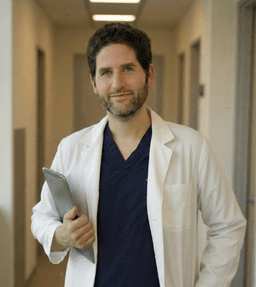
M.D., Dermatologic Surgery & Mohs Specialist, ACMS Fellow
Dr. Yehonatan Kaplan is a dermatology specialist with a US-trained fellowship in Mohs micrographic surgery and dermatologic oncology. He is a Fellow of the American College of Mohs Surgery (ACMS) and a member of the ASDS, with experience in over 6,000 Mohs procedures.
Medically reviewed on February 28, 2026
Related Articles
Skin Cancer Screening: What Happens During a Full-Body Skin Check
A full-body skin cancer screening is one of the most effective ways to detect BCC and SCC early. Learn what to expect during the examination, how often you should be screened, and how dermoscopy enhances the process.
Read More →DiagnosisSkin Biopsy: Types, Pain, Results, and Everything You Need to Know
A skin biopsy is the definitive way to diagnose skin cancer. Learn about the three main types, what the procedure feels like, how long results take, and what your results mean for your treatment plan.
Read More →DiagnosisDigital Dermoscopy and AI: The Revolution in Early Skin Cancer Diagnosis
How digital dermoscopy with up to 140x magnification, combined with FotoFinder's AIMEE AI system, is transforming skin cancer diagnosis and improving Mohs surgery outcomes.
Read More →