Skin Cancer Screening: What Happens During a Full-Body Skin Check

Key Facts
- 10-30% improvement in skin cancer detection sensitivity with dermoscopy
- 15-30 minutes is all a full-body skin screening takes
- 188 per 100,000 is the annual BCC incidence in Israel, among the highest globally
- 99% cure rate for BCC when detected early and treated with Mohs surgery
Why Skin Cancer Screening Matters
Skin cancer is unique among cancers in one important way: it develops on the surface of the body, where it can be seen. Unlike cancers that grow silently in internal organs, skin cancer offers a visual warning, if someone is looking for it.
A full-body skin cancer screening is a systematic examination of your entire skin surface by a dermatologist, designed to identify suspicious lesions at their earliest and most treatable stage. For basal cell carcinoma (BCC) and squamous cell carcinoma (SCC), the two most common skin cancers, early detection often means the difference between a simple, minimally invasive treatment and a complex surgical procedure.
In Israel, where the annual incidence of BCC reaches 188 per 100,000 and SCC 58 per 100,000, regular skin cancer screening is not a luxury. It is a fundamental component of preventive healthcare.
“A 20-minute screening can be the difference between a small, simple procedure and a complex surgery. In Israel, where skin cancer rates are among the highest in the world, annual screening is not optional.”
Who Should Be Screened?
While anyone can develop skin cancer, certain groups are at higher risk and should prioritize regular screening:
High-Risk Individuals (Annual Screening Recommended)
- Fair-skinned individuals with light hair and light eyes
- People with a history of frequent or severe sunburns, especially during childhood
- Patients with a personal history of BCC, SCC, or actinic keratoses
- Patients with a family history of skin cancer
- Organ transplant recipients and others on immunosuppressive medications
- Individuals with extensive outdoor sun exposure (occupational or recreational)
- People with a large number of moles or atypical-appearing lesions
- Anyone over the age of 50 living in a high-UV environment such as Israel
Moderate-Risk Individuals
Even if you do not fall into the high-risk categories above, periodic skin cancer screening (every one to two years) is recommended for all adults. Skin cancer can develop in anyone, regardless of skin type, and early detection always improves outcomes.
When to Seek Immediate Screening
Regardless of your scheduled screening interval, see a dermatologist promptly if you notice:
- A new skin growth that is changing in size, color, or shape
- A sore that bleeds, crusts, and does not heal within four weeks
- A pearly, translucent, or waxy bump
- A rough, scaly patch that persists despite moisturizing
- Any skin lesion that looks different from your other spots
Preparing for Your Screening Appointment
Getting the most out of your skin cancer screening starts before you arrive at the clinic.
Before the Appointment
- Remove nail polish from fingers and toes. Skin cancer can rarely develop under the nails, and polish prevents examination of the nail bed.
- Note any concerns you want to point out to the dermatologist. You know your skin better than anyone, and your observations are valuable.
- Leave hair loose if possible, so the scalp can be examined.
- Avoid wearing excessive makeup on the face, as it can obscure lesions.
- Bring a list of medications you are taking, particularly any immunosuppressive drugs.
What to Wear
You will be asked to change into a gown for the examination. Wear comfortable clothing that is easy to change in and out of. Undergarments can typically remain on, though the dermatologist may need to examine skin folds and areas beneath clothing.
What Happens During the Examination
A full-body skin cancer screening is a thorough, systematic examination that typically takes 15 to 30 minutes, depending on the number of lesions and the complexity of your skin.
The Systematic Approach
Your dermatologist will examine your skin from head to toe in a methodical manner, ensuring that no area is overlooked. A typical examination sequence includes:
1. Scalp: Examined by parting the hair in sections. The scalp is a common but often overlooked location for skin cancer, particularly in individuals with thinning hair. 2. Face and ears: Carefully examined, as these sun-exposed areas are among the most common sites for both BCC and SCC. 3. Neck and chest: The anterior neck and upper chest receive significant sun exposure and are examined closely. 4. Arms and hands: Including the forearms, upper arms, and the backs of the hands, all high-exposure areas. 5. Back and posterior trunk: Areas you cannot see easily yourself and where skin cancers can develop unnoticed. 6. Abdomen and lower trunk: While less commonly affected by sun-related skin cancers, these areas are still examined for completeness. 7. Legs and feet: Including the shins, calves, tops of the feet, and between the toes. The lower legs are a particularly common site for SCC in women. 8. Nails: The nail beds are examined for any pigmented bands or irregularities.
What the Dermatologist Is Looking For
During the examination, the dermatologist evaluates each lesion for features that may indicate skin cancer or precancerous change. Key characteristics that raise concern include:
- Asymmetry: Irregular shape or uneven growth pattern
- Border irregularity: Poorly defined, ragged, or notched edges
- Color variation: Multiple colors within a single lesion (pink, red, white, brown)
- Diameter: Lesions larger than 6mm, though smaller cancers certainly exist
- Evolution: Any lesion that is new, changing, or different from your other spots
- Texture changes: Scaling, crusting, bleeding, or ulceration
- The "ugly duckling" sign: A lesion that stands out as different from the surrounding lesions
For BCC specifically, the dermatologist looks for pearly or translucent bumps, recurring sores, pinkish patches, and scar-like areas. For SCC, they look for rough, scaly patches, firm nodules, persistent sores, and areas of thickened, crusted skin.
The Role of Dermoscopy in Screening
Modern skin cancer screening goes far beyond what the naked eye can detect. Dermoscopy, the use of a specialized magnifying instrument with polarized light, is a key part of a thorough skin examination and significantly enhances the dermatologist's ability to identify skin cancer.
How Dermoscopy Enhances Screening
Dermoscopy provides 10x magnification and eliminates surface light reflection, allowing the dermatologist to visualize structures within the skin that are invisible to the naked eye. These subsurface structures, including vascular patterns, pigment distribution, and structural changes, provide important diagnostic information.
For BCC, dermoscopy reveals characteristic features such as arborizing (tree-like) blood vessels, blue-gray ovoid nests, and leaf-like structures. For SCC and actinic keratosis, dermoscopy shows features such as glomerular vessels, white structureless areas, and surface keratin patterns.
The Impact on Accuracy
Studies demonstrate that dermoscopy increases skin cancer detection sensitivity by 10-30% compared to naked-eye examination. This means that cancers which might be missed during a visual-only screening can be identified when dermoscopy is used.
Equally important, dermoscopy improves specificity, meaning the ability to correctly identify benign lesions as benign. This reduces unnecessary biopsies and the associated patient anxiety, discomfort, and cost.
Digital Dermoscopy for Monitoring
In our clinic, digital dermoscopy takes screening a step further. High-resolution images of individual lesions are captured and stored, creating a photographic baseline. At subsequent screening visits, new images are compared against the baseline to detect even subtle changes over time. This sequential monitoring approach is particularly valuable for patients with numerous lesions, where tracking each one visually would be impractical.
How Often Should You Be Screened?
The recommended frequency of skin cancer screening depends on your individual risk level:
Annual Screening
Annual full-body skin checks are recommended for:
- Anyone with a personal history of skin cancer (BCC or SCC)
- Patients with a history of multiple actinic keratoses
- Immunosuppressed individuals
- Individuals with significant cumulative sun exposure
- Fair-skinned individuals living in high-UV environments (such as Israel)
- Patients with a first-degree family history of skin cancer
More Frequent Screening
Patients with a history of multiple skin cancers, aggressive tumor types, or recurrent disease may benefit from screening every three to six months, particularly in the first two years after treatment.
Every One to Two Years
Adults without specific risk factors should still undergo periodic skin cancer screening every one to two years, beginning at age 30-40 or earlier if risk factors are present.
Ongoing Self-Examination
Between professional screenings, monthly self-examination of your entire skin surface is recommended. Use a full-length mirror and a hand mirror to check areas you cannot see directly. Enlist a partner to examine your scalp, back, and other hard-to-see areas. Any new, changing, or concerning lesion should be evaluated by your dermatologist without waiting for your next scheduled screening.
The Importance of Early Detection for BCC and SCC
The value of skin cancer screening lies in the significant difference that early detection makes in treatment outcomes.
A small, early-stage BCC detected during routine screening can often be treated with a single Mohs surgery session, a procedure performed under local anesthesia in an outpatient setting with a 99% cure rate. The resulting wound is typically small and heals with minimal scarring.
A small SCC detected early can be similarly treated with Mohs surgery, achieving a 97% cure rate. When caught at this stage, the risk of metastasis is extremely low.
Contrast this with a skin cancer that has been growing undetected for years. A large or deeply invasive tumor may require extensive surgery, complex reconstruction (including flaps or skin grafts), and in the case of advanced SCC, possibly radiation therapy or systemic treatment. The cosmetic, functional, and emotional impact of advanced disease is far greater.
Screening catches cancers when they are small, superficial, and most curable. This is the fundamental reason why regular skin cancer screening is so strongly recommended.
Screening at Our Clinic
At Assuta and Herzliya Medical Center, Dr. Yehonatan Kaplan provides thorough skin cancer screening that incorporates clinical examination, dermoscopy, and digital imaging for patients who benefit from sequential monitoring.
Our screening process is thorough, efficient, and designed to be as comfortable as possible. We understand that a full-body examination can feel vulnerable, and our staff is committed to maintaining your dignity and comfort throughout the process.
If a suspicious lesion is identified during your screening, we can often perform a biopsy during the same visit, eliminating the need for a separate appointment and reducing the time to diagnosis. And if treatment is needed, our clinic offers the full spectrum of surgical options, including Mohs micrographic surgery for the most precise tumor removal available.
Your skin health is a lifelong commitment. Regular screening, combined with daily sun protection and monthly self-examination, forms the foundation of effective skin cancer prevention and early detection. If you are due for your skin check, or have never had one, we encourage you to take this important step. A screening that takes less than 30 minutes could change the trajectory of your health.
Sources & References
Medical Disclaimer
This article is for informational purposes only and does not constitute medical advice. Always consult a qualified dermatologist for diagnosis and treatment. The information provided should not be used for self-diagnosis or as a substitute for professional medical care.
About the Author
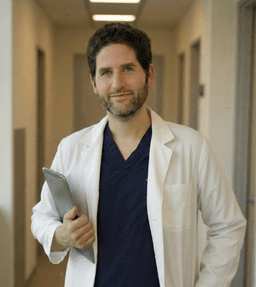
M.D., Dermatologic Surgery & Mohs Specialist, ACMS Fellow
Dr. Yehonatan Kaplan is a dermatology specialist with a US-trained fellowship in Mohs micrographic surgery and dermatologic oncology. He is a Fellow of the American College of Mohs Surgery (ACMS) and a member of the ASDS, with experience in over 6,000 Mohs procedures.
Medically reviewed on February 28, 2026
Related Articles
Skin Biopsy: Types, Pain, Results, and Everything You Need to Know
A skin biopsy is the definitive way to diagnose skin cancer. Learn about the three main types, what the procedure feels like, how long results take, and what your results mean for your treatment plan.
Read More →DiagnosisWhat Is Dermoscopy? How Dermatologists See What the Naked Eye Cannot
Dermoscopy is a non-invasive technique that allows dermatologists to see structures beneath the skin's surface. Learn how this powerful tool helps detect BCC and SCC earlier and more accurately.
Read More →DiagnosisDigital Dermoscopy and AI: The Revolution in Early Skin Cancer Diagnosis
How digital dermoscopy with up to 140x magnification, combined with FotoFinder's AIMEE AI system, is transforming skin cancer diagnosis and improving Mohs surgery outcomes.
Read More →