Treating Recurrent Skin Cancer: What You Need to Know

Key Facts
- Only 1-2% of margins are examined in standard excision, versus 100% in Mohs surgery
- About 10% BCC recurrence after standard excision within 5 years
- Up to 20% recurrence after cryotherapy
- About 5.6% recurrence after Mohs for a recurrent tumor, the lowest of any method
- Every 3 months follow-up frequency in the first year after treating a recurrent tumor
When Skin Cancer Comes Back
Receiving a skin cancer diagnosis is difficult enough. Learning that a previously treated skin cancer has returned can be even more distressing. Yet recurrence is a reality that a significant number of skin cancer patients will face, and understanding why it happens, and what can be done about it, is essential for taking control of the situation.
Recurrent skin cancer refers to a tumor that regrows at or near the site of a previously treated skin cancer. This can happen months, years, or even decades after the original treatment. Both basal cell carcinoma (BCC) and squamous cell carcinoma (SCC) can recur, and when they do, they typically require more specialized treatment than the initial cancer.
“In a recurrent tumor the borders sit inside scar tissue from the previous treatment, which makes them hard to judge on external examination. Mohs surgery makes it possible to follow those borders layer by layer until the margins are clear.”
Why Does Skin Cancer Recur?
Skin cancer recurrence happens when tumor cells are left behind after the initial treatment. Even when a treatment appears successful, microscopic extensions of the cancer, invisible to the naked eye and sometimes missed by standard pathological assessment, can remain in the tissue and eventually regrow.
Several factors increase the likelihood of recurrence:
Incomplete Removal During Initial Treatment
The most common cause of recurrence is incomplete excision of the original tumor. Standard surgical excision relies on removing the visible tumor along with a margin of normal-appearing skin, but the actual borders of skin cancer can be irregular and unpredictable. If the pathology report shows positive or close margins, the risk of recurrence is elevated.
Aggressive Tumor Subtypes
Certain histological subtypes are more prone to recurrence. For BCC, morpheaform (sclerosing), infiltrative, and micronodular subtypes have higher recurrence rates because they grow in irregular, finger-like projections that are difficult to fully appreciate clinically. For SCC, poorly differentiated tumors and those with perineural invasion carry elevated recurrence risk.
Tumor Location
Skin cancers located in embryonic fusion planes, areas where skin folds come together during fetal development, tend to grow along deeper tissue planes and are harder to fully remove. These high-risk locations include the nose (particularly the nasal alar crease), the areas around the eyes, the ears, and the lips.
Previous Non-Surgical Treatment
Skin cancers initially treated with non-surgical methods such as cryotherapy, topical medications, or curettage and electrodesiccation have higher recurrence rates than those treated surgically, because these methods do not provide histological confirmation of complete removal.
Recurrence Rates: Standard Excision vs. Mohs Surgery
The treatment method used for the initial cancer has a profound impact on the likelihood of recurrence.
Standard Surgical Excision
For primary BCC, standard excision with appropriate margins achieves cure rates of approximately 90-95%, meaning that 5-10% of tumors may recur. For primary SCC, standard excision cure rates range from 92-95%. However, when treating a recurrent tumor with standard excision, success rates drop further because scar tissue from the previous treatment distorts the tissue architecture and makes it harder to identify tumor borders.
Mohs Micrographic Surgery
Mohs surgery achieves a 99% cure rate for primary BCC and 97% for primary SCC. For recurrent tumors, Mohs remains the most effective option, achieving cure rates of approximately 94-96% for recurrent BCC and 90-93% for recurrent SCC. These rates are significantly higher than any other treatment modality for recurrent disease.
The superior success of Mohs surgery in treating recurrent tumors stems from its methodology: 100% of the surgical margin is examined microscopically in real time, compared to the 1-2% sampling of standard pathological assessment. This thorough margin evaluation is especially important in recurrent cases where tumor borders are obscured by scar tissue.
Why Mohs Surgery Is Preferred for Recurrent Tumors
When skin cancer recurs, the clinical landscape is fundamentally different from a primary tumor. The recurrent tumor is growing within scar tissue from the previous surgery, which can mask its true extent. The tumor may have developed along deeper planes or adopted a more aggressive growth pattern.
Mohs surgery addresses these challenges through several advantages:
Complete Margin Assessment
By examining 100% of the tissue margin, Mohs surgery can detect tumor extensions that would be missed by standard pathology. This is particularly important in recurrent cases where the tumor often grows in unpredictable patterns.
Real-Time Processing
The ability to map and process tissue during the procedure itself means the surgeon can track and follow irregular tumor extensions as they are discovered, rather than relying on predetermined margins that may not encompass the entire cancer.
Tissue Conservation
Because only tissue containing cancer cells is removed, Mohs surgery preserves the maximum amount of healthy tissue. This is especially valuable when treating recurrences on the face, where previous surgery has already consumed tissue and further tissue loss can have significant cosmetic and functional consequences.
Same-Day Clearance
Patients leave the procedure knowing that the cancer has been completely removed, eliminating the anxiety of waiting for pathology results and the possibility of needing a return trip to the operating room.
The Recurrent Tumor Treatment Process
When a recurrent skin cancer is identified, the treatment process typically follows these steps:
Full Evaluation
A detailed clinical examination is performed, often with dermoscopy and sometimes imaging studies to assess the full extent of the recurrence. The dermatologist will review the history of the original tumor, including its subtype, the initial treatment method, and the pathology report.
Biopsy Confirmation
A new biopsy is usually performed to confirm the recurrence and determine the histological characteristics of the recurrent tumor, which may differ from the original.
Mohs Surgery
For most recurrent BCCs and SCCs, Mohs micrographic surgery is the recommended treatment. The procedure is performed under local anesthesia as an outpatient procedure, and the real-time margin assessment provides the highest probability of complete clearance.
Reconstruction
After the tumor is fully cleared, the resulting wound is repaired. Reconstruction options depend on the size and location of the defect and may range from simple closure to local flaps or, in more complex cases, skin grafts.
Enhanced Follow-Up
Patients with recurrent skin cancer are placed on an intensified surveillance protocol to monitor for additional recurrences or new primary skin cancers.
Follow-Up Protocols After Recurrent Skin Cancer Treatment
Vigilant follow-up is arguably the most important component of managing recurrent skin cancer. Recommended follow-up protocols typically include:
First Two Years
Clinical examinations every three to four months. This period carries the highest risk of additional recurrence, so frequent monitoring is essential. Each visit includes a thorough examination of the treatment site and a full-body skin check.
Years Three Through Five
Examinations every six months. While the risk of recurrence decreases over time, it remains elevated compared to patients without a history of recurrent cancer.
Beyond Five Years
Annual skin cancer screening examinations for life. A history of recurrent skin cancer is a permanent risk factor that warrants ongoing professional surveillance.
Patient Self-Examination
Between clinical visits, patients should perform monthly self-examinations of the treatment site and their entire skin surface. Any new growth, change in texture, or development of symptoms such as pain, itching, or bleeding should prompt an immediate visit to the dermatologist.
The Importance of Regular Monitoring
Studies consistently show that patients who adhere to structured follow-up protocols have better outcomes than those who do not. Regular monitoring allows recurrences and new primary cancers to be detected at their earliest and most treatable stage.
For patients living in Israel, where UV exposure is intense and the risk of developing multiple skin cancers is elevated, adherence to follow-up schedules is particularly important. The combination of high UV exposure and a genetic predisposition toward fair skin creates a sustained risk environment that requires long-term vigilance.
Moving Forward with Confidence
A diagnosis of recurrent skin cancer, while concerning, is not cause for despair. With Mohs micrographic surgery, the likelihood of achieving a definitive cure remains very high, even for recurrent tumors. The key is to work with a surgeon who has expertise in treating recurrent skin cancers and access to the technology needed for precise tumor removal.
At Assuta and Herzliya Medical Center, Dr. Yehonatan Kaplan specializes in Mohs micrographic surgery for both primary and recurrent basal cell carcinoma and squamous cell carcinoma. Our approach combines meticulous surgical technique with proven diagnostic tools to deliver the best possible outcomes.
If you have been previously treated for skin cancer and are concerned about recurrence, or if you have noticed changes at or near a previous treatment site, do not hesitate to schedule an evaluation. Early detection of recurrence, combined with expert Mohs surgical treatment, provides the strongest foundation for a cancer-free future.
Sources & References
Medical Disclaimer
This article is for informational purposes only and does not constitute medical advice. Always consult a qualified dermatologist for diagnosis and treatment. The information provided should not be used for self-diagnosis or as a substitute for professional medical care.
About the Author
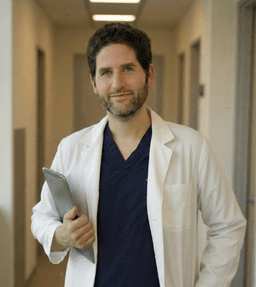
M.D., Dermatologic Surgery & Mohs Specialist, ACMS Fellow
Dr. Yehonatan Kaplan is a dermatology specialist with a US-trained fellowship in Mohs micrographic surgery and dermatologic oncology. He is a Fellow of the American College of Mohs Surgery (ACMS) and a member of the ASDS, with experience in over 6,000 Mohs procedures.
Medically reviewed on September 1, 2026
Related Articles
The ABCDEs of Melanoma Detection
Learn the warning signs of melanoma and when to see a dermatologist for a skin check.
Read More →Skin CancerBCC vs. SCC: Understanding the Two Most Common Skin Cancers
Basal cell carcinoma and squamous cell carcinoma are the two most common skin cancers, but they differ in appearance, behavior, and treatment. Learn the key differences and why both benefit from early detection.
Read More →Skin CancerSquamous Cell Carcinoma: A Complete Guide to Diagnosis and Treatment
Squamous cell carcinoma is the second most common skin cancer. Learn how to identify SCC, understand its risk factors, and discover when aggressive treatment including Mohs surgery is necessary.
Read More →