Squamous Cell Carcinoma: A Complete Guide to Diagnosis and Treatment

Key Facts
- 20% of all skin cancers are squamous cell carcinomas
- 97% cure rate for primary SCC with Mohs surgery
- 2-5% of SCCs will metastasize if not treated promptly
- 65-250x higher SCC risk in organ transplant recipients
Understanding Squamous Cell Carcinoma
Squamous cell carcinoma (SCC) is the second most common form of skin cancer, arising from the squamous cells that make up the middle and outer layers of the epidermis. Unlike basal cell carcinoma, which grows slowly and almost never spreads, SCC carries a meaningful risk of metastasis if left untreated or inadequately treated. This makes timely diagnosis and definitive treatment especially important.
Squamous cell carcinoma accounts for approximately 20% of all skin cancers. In Israel, where intense UV radiation and outdoor lifestyles contribute to elevated skin cancer rates, the incidence of SCC is approximately 58 cases per 100,000 people, a figure that has been steadily rising over the past two decades.
“Unlike BCC, squamous cell carcinoma carries a real risk of spreading if left untreated. This is why I emphasize to my patients that prompt, definitive treatment is essential, especially for high-risk tumors.”
What Does Squamous Cell Carcinoma Look Like?
SCC can vary significantly in appearance, which sometimes makes it challenging to identify without professional evaluation. Knowing the common presentations can help you recognize warning signs early.
Scaly Red Patches
One of the most common presentations of SCC is a persistent, rough, scaly patch of skin that may be flat or slightly raised. These patches are often red or pink and may bleed if scratched or irritated. They are frequently found on sun-exposed areas such as the face, scalp, ears, neck, forearms, and backs of the hands.
Open Sores
SCC can appear as an open sore that bleeds, crusts, and fails to heal completely. The sore may appear to improve and then recur in the same location. Unlike a normal wound, it persists for weeks or months without resolution.
Rough, Thickened Skin Growth
Some SCCs present as a firm, raised growth with a rough or wart-like surface. These lesions may develop a central depression or ulceration over time and can grow rapidly compared to other skin cancers.
Raised Growth with Central Depression
A dome-shaped nodule with a central crater or ulcer is another characteristic presentation of SCC. These growths may be tender to the touch and can bleed easily.
Horn-Like Projections
In some cases, SCC produces excess keratin, creating a cutaneous horn, a hard, cone-shaped projection rising from the skin surface. While not all cutaneous horns are cancerous, they warrant immediate evaluation.
How SCC Differs from BCC
While both basal cell carcinoma and squamous cell carcinoma originate in the epidermis, they differ in several important ways:
SCC tends to grow faster than BCC and carries a higher risk of spreading to lymph nodes and distant organs. Approximately 2-5% of SCCs will metastasize, compared to an extremely rare metastasis rate for BCC. SCC also tends to be more symptomatic. Patients may experience pain, tenderness, or itching at the tumor site, while BCC is often painless.
The biological behavior of SCC means that prompt, definitive treatment is even more important than with BCC. Delays in treatment can allow the tumor to invade deeper tissues and potentially reach the lymphatic system.
Risk Factors for SCC
Many risk factors for SCC overlap with those for BCC, but there are some notable differences:
Cumulative UV Exposure
Unlike BCC, which is associated with both intermittent intense exposure and cumulative exposure, SCC is most strongly linked to total lifetime UV exposure. This is why SCC is particularly common in individuals who have worked outdoors for many years, including farmers, construction workers, and military personnel.
Precancerous Lesions (Actinic Keratoses)
Actinic keratoses (AKs) are rough, scaly patches caused by years of sun exposure. They are considered precursors to SCC, with an estimated 5-10% of AKs progressing to squamous cell carcinoma if left untreated. Treating AKs early is an important preventive strategy.
Immunosuppression
Immunosuppressed patients, particularly organ transplant recipients, face a significantly elevated risk of SCC, up to 65-250 times higher than the general population. For these patients, SCC is often more aggressive and more likely to recur or metastasize.
Chronic Wounds and Inflammation
SCC can develop in areas of chronic inflammation, old scars, burns, and non-healing wounds. These SCCs, sometimes called Marjolin ulcers, tend to be more aggressive.
Fair Skin and Age
As with BCC, fair-skinned individuals over the age of 50 are at highest risk. However, SCC can also develop in younger patients, particularly those with significant sun exposure history or immunosuppression.
HPV Infection
Certain strains of human papillomavirus (HPV) have been linked to an increased risk of SCC, particularly in the genital and periungual (around the nail) regions.
Diagnosing Squamous Cell Carcinoma
Diagnosis begins with a thorough clinical examination, ideally using dermoscopy to evaluate the lesion's structure and vascular patterns. However, a definitive diagnosis always requires a skin biopsy.
The biopsy specimen is examined by a dermatopathologist who determines whether SCC is present, its level of differentiation (well-differentiated, moderately differentiated, or poorly differentiated), and its depth of invasion. These factors are key in determining the treatment plan and assessing the risk of metastasis.
High-risk features that may indicate a more aggressive SCC include poor differentiation, depth greater than 6mm, perineural invasion (tumor growing along nerve pathways), location on the ear or lip, and recurrence after previous treatment.
Treatment Options for SCC
Mohs Micrographic Surgery
For high-risk SCCs, Mohs surgery is the treatment of choice. With a cure rate of 97% for primary SCC, Mohs offers the highest success rate of any treatment modality. The procedure involves removing thin layers of tissue and examining each layer under a microscope in real time, ensuring complete tumor removal with minimal loss of healthy tissue.
Mohs surgery is particularly recommended for SCCs that are located on the head and neck, are large or poorly defined, have aggressive histological features, have recurred after previous treatment, or occur in immunosuppressed patients.
Standard Surgical Excision
For lower-risk SCCs in non-sensitive locations, standard excision with appropriate margins (typically 4-6mm) may be sufficient. The excised tissue is sent to a laboratory for margin assessment, with results typically available within several days.
When SCC Requires Aggressive Treatment
Certain high-risk SCCs may require additional treatment beyond surgery. If there is evidence of perineural invasion, lymph node involvement, or other high-risk features, adjuvant radiation therapy may be recommended. In rare cases of metastatic SCC, systemic therapies including immunotherapy (such as cemiplimab) may be necessary.
Patients with SCC involving the parotid gland or cervical lymph nodes may require combined surgical and radiation treatment managed by a multidisciplinary team.
Living in Israel: Special Considerations
Israel's climate and lifestyle present unique challenges for SCC prevention and management. The country's intense UV index, which frequently reaches extreme levels during summer months, accelerates the accumulation of UV damage in the skin.
Military service, which is compulsory for most Israeli citizens, often involves extended outdoor exposure during formative years. Agricultural work in the Negev and Arava regions, construction, and the deeply rooted culture of beach and outdoor recreation all contribute to the high burden of UV-related skin disease.
For Israeli residents, particularly those with fair skin, annual skin cancer screenings are strongly recommended beginning at age 30-40 or earlier if risk factors are present.
Prognosis and Follow-Up
When detected early and treated appropriately, the prognosis for SCC is very good. Mohs surgery achieves a 97% cure rate, and even standard excision offers cure rates of 92-95% for primary, low-risk tumors.
However, patients who have had one SCC are at increased risk for developing additional skin cancers. Regular follow-up examinations are essential, typically every three to six months for the first two years, then every six to twelve months thereafter. Patients should also perform monthly self-examinations and seek prompt evaluation of any new or changing lesions.
Take Action Early
If you notice a persistent scaly patch, an open sore that will not heal, or any new skin growth that is changing in size or appearance, do not delay in seeking evaluation. At Assuta and Herzliya Medical Center, Dr. Yehonatan Kaplan provides expert diagnosis and Mohs surgical treatment for squamous cell carcinoma. With dermoscopic technology and a focus on complete tumor clearance, our goal is to deliver the most effective treatment while preserving as much healthy tissue as possible.
The difference between a straightforward treatment and a complex surgical case often comes down to timing. Early detection and prompt treatment remain your most powerful advantages against squamous cell carcinoma.
Sources & References
Medical Disclaimer
This article is for informational purposes only and does not constitute medical advice. Always consult a qualified dermatologist for diagnosis and treatment. The information provided should not be used for self-diagnosis or as a substitute for professional medical care.
About the Author
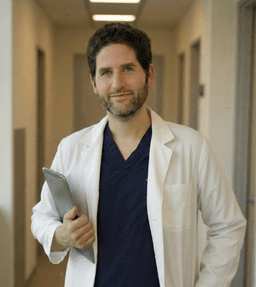
M.D., Dermatologic Surgery & Mohs Specialist, ACMS Fellow
Dr. Yehonatan Kaplan is a dermatology specialist with a US-trained fellowship in Mohs micrographic surgery and dermatologic oncology. He is a Fellow of the American College of Mohs Surgery (ACMS) and a member of the ASDS, with experience in over 6,000 Mohs procedures.
Medically reviewed on February 28, 2026
Related Articles
What Is Basal Cell Carcinoma? Symptoms, Causes, and Treatment
Basal cell carcinoma is the most common form of skin cancer worldwide. Learn to recognize its symptoms, understand its causes, and discover why Mohs surgery offers a 99% cure rate.
Read More →Skin CancerThe ABCDEs of Melanoma Detection
Learn the warning signs of melanoma and when to see a dermatologist for a skin check.
Read More →Skin CancerTreating Recurrent Skin Cancer: What You Need to Know
When skin cancer returns after treatment, it requires a different approach. Learn why recurrence happens, how Mohs surgery offers the best outcomes for recurrent tumors, and what follow-up protocols can protect you.
Read More →