Sun Protection After Skin Cancer: A Practical Guide for Israel

Why Sun Protection Matters More After a Skin Cancer Diagnosis
If you have been treated for basal cell carcinoma (BCC) or squamous cell carcinoma (SCC), your treatment may be complete, but your relationship with the sun has permanently changed. A history of non-melanoma skin cancer is one of the strongest predictors of developing another skin cancer in the future. Studies consistently show that patients diagnosed with one BCC have a 30 to 50 percent chance of developing a new BCC within five years.
This is not cause for alarm, but it is cause for action. The same UV radiation that contributed to your first skin cancer continues to affect your skin every day, and the cumulative damage that led to your diagnosis has not been erased by treatment. Your skin remains vulnerable, and the areas surrounding a treated tumor may already harbor precancerous changes that have not yet become visible.
The good news is that consistent sun protection significantly reduces the risk of developing new skin cancers. It is one of the most effective and controllable factors in your long-term health after a skin cancer diagnosis. And in Israel, where UV exposure is intense and year-round, adopting a disciplined sun protection routine is especially important.
Understanding Recurrence Risk
Recurrence of skin cancer after treatment can mean two things: the original tumor returning at the same site (local recurrence) or a new, unrelated skin cancer developing elsewhere on the body (a new primary cancer).
With Mohs micrographic surgery, the risk of local recurrence for BCC is approximately 1 percent, thanks to the procedure's 99 percent cure rate. For SCC treated with Mohs surgery, local recurrence rates are also very low. So when we talk about recurrence risk after treatment, we are primarily talking about the development of new primary skin cancers at different sites.
This risk is driven by the same factors that caused the first cancer: cumulative UV damage, skin type, age, and genetic predisposition. While you cannot change your genetics or reverse past sun exposure, you can greatly reduce ongoing UV damage through consistent protection.
Daily Sunscreen: Your First Line of Defense
Sunscreen is the cornerstone of post-skin-cancer sun protection. The recommendations are clear and evidence-based.
SPF 30 or higher, broad-spectrum, every day. Broad-spectrum means the sunscreen protects against both UV-A and UV-B radiation. UV-B causes sunburn and is directly linked to BCC and SCC development. UV-A penetrates deeper into the skin, contributes to aging, and also plays a role in skin cancer.
Apply generously. Most people apply far too little sunscreen to achieve the labeled SPF protection. For the face alone, you need approximately a nickel-sized amount. For the full body, the equivalent of a shot glass (about 30 milliliters) is recommended.
Reapply every two hours when outdoors, and immediately after swimming or heavy sweating. Even water-resistant formulations lose effectiveness over time.
Apply sunscreen every morning, regardless of whether you plan to be outdoors. Incidental UV exposure through car windows, during a walk to the bus, or even through office windows accumulates over time. In Israel, where UV levels are high even on overcast days, daily application is not optional for skin cancer survivors.
Choose a formulation you will actually use. The best sunscreen is the one you apply consistently. Whether you prefer a cream, lotion, gel, or spray, find a product that feels comfortable on your skin and fits into your morning routine seamlessly.
Protective Clothing: The Most Reliable Shield
While sunscreen is essential, it has limitations. It can be applied unevenly, forgotten, or sweated off. Protective clothing, on the other hand, provides consistent, reliable UV protection that does not degrade over time.
Wide-brimmed hats are among the most important protective items for skin cancer survivors. A hat with a brim of at least 7.5 centimeters (about 3 inches) provides meaningful shade to the face, ears, nose, and neck, which are the most common sites for BCC and SCC. Baseball caps, while popular, leave the ears, sides of the face, and neck exposed.
UPF-rated clothing is specifically designed and tested for UV protection. A garment with a UPF (Ultraviolet Protection Factor) of 50 blocks approximately 98 percent of UV radiation. Many outdoor and athletic clothing brands now offer stylish, lightweight UPF-rated options suitable for Israel's warm climate.
Long-sleeved shirts and long pants made from tightly woven fabrics provide good protection even without a UPF rating. Darker colors generally block more UV than lighter colors, and dry fabric protects better than wet fabric.
UV-protective sunglasses protect the delicate skin around the eyes and the eyes themselves. Look for sunglasses that block 99 to 100 percent of UV-A and UV-B rays.
Israel-Specific Sun Protection Strategies
Living in Israel presents unique challenges for sun protection, but also opportunities to develop habits that work within the local lifestyle.
Understand the UV index in your area. The Israel Meteorological Service provides daily UV index forecasts. During summer months, the UV index in central and southern Israel regularly reaches 10 to 11 or higher, classified as extreme. Even in winter, the UV index can reach 3 to 5, which is moderate and still capable of causing skin damage with prolonged exposure.
Restructure outdoor time around UV peaks. In Israel, the most intense UV radiation occurs between approximately 10:00 AM and 4:00 PM during summer months. When possible, schedule outdoor exercise, errands, and recreational activities for early morning or late afternoon. This is a cultural adjustment for many Israelis accustomed to midday beach visits or afternoon hikes, but it is one of the most effective strategies available.
Adapt to the outdoor culture without abandoning it. Israel's outdoor lifestyle is a tremendous asset for physical and mental health. Sun protection is not about staying indoors. It is about enjoying the outdoors safely. Hiking with a wide-brimmed hat, UPF-rated clothing, and sunscreen is entirely compatible with Israel's active outdoor culture.
Be vigilant at the beach and pool. Water and sand reflect UV radiation, effectively increasing your exposure. If you enjoy beach time, set up under a high-quality shade structure, apply sunscreen liberally and frequently, and consider wearing a UV-protective rash guard.
Do not underestimate cloudy days. Up to 80 percent of UV radiation penetrates cloud cover. In Israel, where partly cloudy skies are common during certain seasons, it is easy to assume protection is unnecessary. It is not.
Car travel deserves attention. While windshields block most UV-B radiation, side windows typically do not block UV-A adequately. For patients with skin cancers on the left side of the face or left arm, a pattern seen frequently in countries where drivers sit on the left, UV-protective window film may be a worthwhile investment.
Protecting Your Surgical Scar from the Sun
After skin cancer surgery, whether Mohs surgery or standard excision, the healing scar requires special attention regarding sun exposure.
Fresh scars are particularly susceptible to UV damage. Sun exposure on a healing scar can cause permanent hyperpigmentation, making the scar darker and more noticeable than it would otherwise be. This discoloration can persist indefinitely if the scar is not protected during the important healing period.
Dr. Yehonatan Kaplan recommends strict sun protection of the surgical site for at least 12 months after surgery. This means applying a high-SPF sunscreen directly to the scar whenever it may be exposed to sunlight, and covering the area with clothing or a bandage when practical. Silicone-based scar treatments can also help and are compatible with sunscreen use.
After the initial 12-month period, continuing to protect the area is still advisable, though the scar will be less vulnerable. A well-protected scar typically fades to a thin, pale line that blends with the surrounding skin.
Long-Term Monitoring: Your Partnership with Your Dermatologist
Sun protection and long-term monitoring go hand in hand. Even with the best sun protection practices, ongoing surveillance is essential for skin cancer survivors.
Dr. Kaplan recommends follow-up skin examinations every six months for the first two years after treatment, then annually for at least five years. These visits include a full skin examination with dermoscopy, assessment of the treated site, and evaluation of any new or changing lesions.
Between professional examinations, monthly self-skin checks are an important complement. Become familiar with your skin and note any changes. New spots, existing spots that change in appearance, sores that do not heal, or any lesion that bleeds or crusts repeatedly should prompt a visit to your dermatologist.
Building Sustainable Habits
The most effective sun protection strategy is one that becomes second nature. Like brushing your teeth or wearing a seatbelt, daily sun protection should be automatic rather than something you consciously decide each morning.
Practical tips for building lasting habits include keeping sunscreen next to your toothbrush so you apply it as part of your morning routine, hanging a wide-brimmed hat by your door so you grab it when leaving, investing in a few sets of UPF-rated clothing that you enjoy wearing, setting a phone reminder to reapply sunscreen if you are spending extended time outdoors, and making shade-seeking behavior a family norm rather than an individual effort.
Living Well After Skin Cancer
A skin cancer diagnosis changes your relationship with the sun, but it does not have to diminish your quality of life. With consistent sun protection, regular monitoring, and a partnership with a dermatologist who understands your history, you can continue to enjoy Israel's beautiful outdoors while significantly reducing your risk of future skin cancers.
The steps are simple. The discipline is what makes the difference. SPF 30 or higher every day. Protective clothing when outdoors. Shade during peak hours. Regular skin checks. These habits, practiced consistently, are the most powerful tools you have for protecting your skin health in the years ahead.
Sources & References
Medical Disclaimer
This article is for informational purposes only and does not constitute medical advice. Always consult a qualified dermatologist for diagnosis and treatment. The information provided should not be used for self-diagnosis or as a substitute for professional medical care.
About the Author
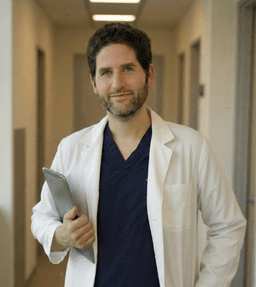
M.D., Dermatologic Surgery & Mohs Specialist, ACMS Fellow
Dr. Yehonatan Kaplan is a dermatology specialist with a US-trained fellowship in Mohs micrographic surgery and dermatologic oncology. He is a Fellow of the American College of Mohs Surgery (ACMS) and a member of the ASDS, with experience in over 6,000 Mohs procedures.
Medically reviewed on February 28, 2026
Related Articles
Skin Cancer in Israel: Why Sun Exposure Makes Early Detection Critical
Israel's intense UV radiation and outdoor lifestyle contribute to high rates of BCC and SCC. Learn about skin cancer incidence in Israel, risk factors, and why regular screening is essential.
Read More →PreventionSkin Cancer in Young Adults: Why It Happens and What You Can Do
Skin cancer is not just a disease of older adults. Melanoma is among the most common cancers in people aged 25-29, and rates in young adults are rising. Learn about the risk factors, warning signs, and prevention strategies relevant to young Israelis.
Read More →PreventionSkin Self-Exam: A Step-by-Step Guide to Checking Your Skin at Home
Monthly skin self-exams help you catch suspicious changes between dermatologist visits. Learn exactly how to check your skin from head to toe, what to look for, and when to seek professional evaluation.
Read More →