Skin Cancer in Israel: Why Sun Exposure Makes Early Detection Critical

Key Facts
- 15,000+ new non-melanoma skin cancer cases diagnosed annually in Israel
- 188 per 100,000 is the annual BCC incidence in Israel
- 10+ UV index in Israel during summer, classified as extreme by the WHO
- 300+ sunny days per year in much of Israel
A Country of Sunshine and Risk
Israel is blessed with abundant sunshine. With more than 300 sunny days per year in many parts of the country, the Mediterranean climate encourages an outdoor lifestyle that is deeply woven into the culture. From beach outings on the Mediterranean and Red Sea coasts to hiking in the Galilee and Negev, outdoor activity is a central part of Israeli life.
But this relationship with the sun comes at a cost. Israel's geographic position between 29 and 33 degrees north latitude places it in a zone of high ultraviolet (UV) radiation. During the summer months, the UV index in Israel frequently reaches 10 or higher, classified as "very high" to "extreme" by the World Health Organization. Even during spring and autumn, UV levels remain significant enough to cause cumulative skin damage.
This combination of intense UV exposure and an outdoor culture has made skin cancer one of the most common cancers in Israel. Understanding the scope of this problem is the first step toward effective prevention and early detection.
“Living in Israel means living with some of the highest UV exposure levels in the developed world. I see the consequences of this every day in my clinic, and I cannot stress enough the importance of sun protection and annual skin checks.”
Skin Cancer Incidence in Israel: The Numbers
Israel has among the highest rates of non-melanoma skin cancer in the developed world. The two most common types, basal cell carcinoma (BCC) and squamous cell carcinoma (SCC), account for the vast majority of skin cancer diagnoses.
BCC incidence in Israel is estimated at approximately 188 cases per 100,000 people per year. SCC incidence is estimated at approximately 58 cases per 100,000 per year. Together, these two cancers account for roughly 15,000 new diagnoses annually in Israel.
To put these numbers in perspective, this means that tens of thousands of Israelis are diagnosed with non-melanoma skin cancer every year. It is far more common than most people realize, in part because non-melanoma skin cancers receive less public attention than other cancer types despite their enormous prevalence.
These statistics are not abstract. They represent real patients, many of whom could have benefited from earlier detection and less extensive treatment if their cancers had been found sooner.
Who Is at Highest Risk?
While skin cancer can affect anyone, certain populations in Israel are at disproportionately higher risk.
Fair-skinned individuals of European descent have the highest rates of BCC and SCC. Israel's diverse population includes many citizens of Ashkenazi European background, as well as immigrants from Russia, Eastern Europe, and other regions where lighter skin types are common. These individuals have less natural melanin protection against UV radiation and are significantly more susceptible to sun-induced skin damage.
Outdoor workers represent another high-risk group. Agricultural workers, construction workers, lifeguards, military personnel, tour guides, and others who spend extended hours outdoors accumulate substantial UV exposure over their careers. Unlike recreational sun exposure, which can be moderated with planning and sun-avoidance behavior, occupational exposure is often unavoidable and sustained over years.
Older adults are particularly vulnerable because skin cancer is the result of cumulative UV damage. The cancers that appear at age 60 or 70 are often the consequence of sun exposure that occurred decades earlier. Israel's aging population means an increasing number of individuals are reaching the age where their lifetime UV exposure manifests as skin cancer.
Immunocompromised patients, including organ transplant recipients on immunosuppressive medications, face significantly elevated risks. Transplant patients are 65 to 250 times more likely to develop SCC than the general population. With Israel's active transplant program, this represents a significant group requiring heightened surveillance.
Individuals with a personal history of skin cancer are at high risk for developing additional cancers. Research indicates that patients who have had one BCC have a 30 to 50 percent chance of developing another within five years.
The Mediterranean Climate Challenge
Israel's climate presents unique challenges for sun protection. Unlike countries with harsh winters that limit outdoor activity for several months, Israel's mild winters allow for year-round outdoor exposure. There is no extended period of UV respite as exists in Northern European or Scandinavian countries.
The summer months from May through September are particularly intense, with UV indices regularly exceeding safe levels during midday hours. However, Israelis often underestimate the UV exposure that occurs during the shoulder seasons of spring and autumn, when comfortable temperatures encourage prolonged outdoor activity without the perceived urgency of sun protection.
The Dead Sea region, the lowest point on Earth, offers another unique challenge. Despite being a popular destination for tourists and those seeking therapeutic mineral treatments, the area receives intense UV radiation. The lower altitude does filter some UV-B rays, but UV-A exposure remains significant, and the reflective properties of the salt-laden landscape can amplify exposure.
Coastal areas, where much of Israel's population lives, combine direct UV radiation with reflection from water and sand, effectively increasing the dose of UV that reaches the skin.
Why Early Detection Is Critical
The good news about BCC and SCC is that both are highly curable when detected and treated early. BCC almost never metastasizes, and when treated with Mohs micrographic surgery, the cure rate reaches 99 percent. SCC, while it has a small potential for spread, is overwhelmingly curable when caught at an early stage.
However, the consequences of delayed detection can be significant. BCC, though slow-growing, can cause substantial local tissue destruction if left untreated. A BCC on the nose that might have been treated with a small procedure when first detected could, after years of neglect, erode through cartilage and require complex reconstructive surgery. Similarly, SCC that is allowed to grow can invade deeper tissues, involve nerves, and in rare cases, spread to lymph nodes.
Early detection means smaller tumors, simpler treatments, better cosmetic outcomes, and higher cure rates. It is the single most impactful action a patient can take.
The Importance of Regular Screening
Given Israel's high UV exposure and elevated skin cancer rates, regular skin screening should be a routine part of healthcare for at-risk individuals.
A skin cancer screening involves a trained dermatologist examining the entire skin surface, using dermoscopy to evaluate suspicious lesions. Dermoscopy improves diagnostic accuracy by allowing the physician to see structures beneath the surface that are invisible to the naked eye.
Dr. Yehonatan Kaplan recommends annual skin screenings for adults over 40, particularly those with fair skin, a history of significant sun exposure, or a family history of skin cancer. For higher-risk individuals, such as transplant recipients or those with a personal history of skin cancer, more frequent screening every six months may be appropriate.
Screening is not just about finding cancer. It is also about identifying precancerous lesions, such as actinic keratoses, which can be treated before they progress to invasive SCC. By catching these early warning signs, screening can prevent cancer from developing in the first place.
What You Can Do Today
Awareness is the foundation of prevention and early detection. Here are practical steps you can take.
Know your risk. If you have fair skin, a history of sunburns, extensive outdoor exposure, or a family history of skin cancer, recognize that you are in a higher-risk category.
Perform monthly self-examinations. Become familiar with your skin and note any new spots, spots that are changing in size or appearance, or sores that do not heal. BCC often appears as a pearly or waxy bump, a flat flesh-colored or brown lesion, or a sore that bleeds and scabs repeatedly. SCC may present as a firm red nodule, a flat lesion with a scaly or crusted surface, or a new sore on an old scar.
Schedule regular professional screenings. Self-examination is valuable but has limitations. A trained dermatologist with dermoscopy can identify cancers that are not yet visible to the untrained eye.
Practice consistent sun protection. Use broad-spectrum SPF 30 or higher sunscreen daily, wear protective clothing and wide-brimmed hats, seek shade during peak UV hours (10 AM to 4 PM), and be especially vigilant during the Israeli summer.
Do not ignore persistent lesions. If you have a spot that bleeds, crusts, itches, or fails to heal within four weeks, have it evaluated promptly. Early assessment leads to early diagnosis, and early diagnosis leads to the simplest, most effective treatment.
A Call for Vigilance
Israel's sunshine is one of its greatest assets, but it demands respect. The high rates of BCC and SCC in this country are a direct consequence of the intense UV environment and the outdoor lifestyle that so many Israelis enjoy.
The solution is not to retreat indoors. It is to be informed, to be proactive, and to seek expert evaluation when something does not look right. With modern diagnostic tools like dermoscopy and treatments like Mohs surgery, skin cancer in Israel is eminently manageable when caught early. The key is not to wait.
Sources & References
Medical Disclaimer
This article is for informational purposes only and does not constitute medical advice. Always consult a qualified dermatologist for diagnosis and treatment. The information provided should not be used for self-diagnosis or as a substitute for professional medical care.
About the Author
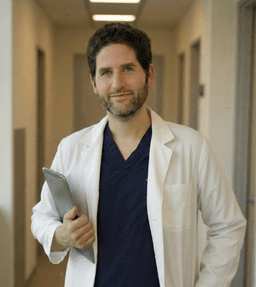
M.D., Dermatologic Surgery & Mohs Specialist, ACMS Fellow
Dr. Yehonatan Kaplan is a dermatology specialist with a US-trained fellowship in Mohs micrographic surgery and dermatologic oncology. He is a Fellow of the American College of Mohs Surgery (ACMS) and a member of the ASDS, with experience in over 6,000 Mohs procedures.
Medically reviewed on February 28, 2026
Related Articles
Sun Protection After Skin Cancer: A Practical Guide for Israel
After a BCC or SCC diagnosis, sun protection becomes essential for preventing recurrence. This guide provides practical, Israel-specific strategies for daily UV protection and long-term skin health.
Read More →PreventionSkin Cancer in Young Adults: Why It Happens and What You Can Do
Skin cancer is not just a disease of older adults. Melanoma is among the most common cancers in people aged 25-29, and rates in young adults are rising. Learn about the risk factors, warning signs, and prevention strategies relevant to young Israelis.
Read More →PreventionSkin Self-Exam: A Step-by-Step Guide to Checking Your Skin at Home
Monthly skin self-exams help you catch suspicious changes between dermatologist visits. Learn exactly how to check your skin from head to toe, what to look for, and when to seek professional evaluation.
Read More →