Post-Procedure Skin Care Guide

Proper aftercare is essential for optimal healing and the best cosmetic outcome after any dermatologic procedure. Here is what you need to know.
Wound Care Basics
Keep the wound clean and dry for the first 24 hours. After that, gently clean the area with mild soap and water once daily. Apply the prescribed antibiotic ointment and cover with a clean bandage.
What to Avoid
Avoid strenuous exercise for 48-72 hours after the procedure to prevent bleeding. Do not pick at scabs or sutures. Avoid direct sun exposure on the healing area for at least 4-6 weeks, but sun protection is recommended for up to 12 months. Use SPF 30 or higher sunscreen once the wound has fully closed.
Signs to Watch For
Contact our clinic if you notice excessive bleeding that doesn't stop with pressure, increasing redness or swelling around the wound, fever above 38 degrees, pus or unusual discharge, or if sutures come loose before your scheduled removal appointment.
Scar Minimization
Once the wound has healed completely, silicone scar sheets or gel can help minimize scarring. Gentle massage of the scar after full healing can also improve the final appearance. Protect healing scars from sun exposure, as UV can cause permanent discoloration.
Sources & References
Medical Disclaimer
This article is for informational purposes only and does not constitute medical advice. Always consult a qualified dermatologist for diagnosis and treatment. The information provided should not be used for self-diagnosis or as a substitute for professional medical care.
About the Author
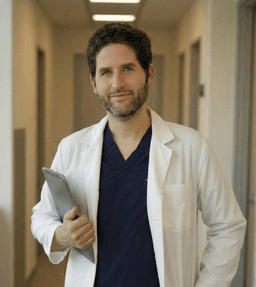
M.D., Dermatologic Surgery & Mohs Specialist, ACMS Fellow
Dr. Yehonatan Kaplan is a dermatology specialist with a US-trained fellowship in Mohs micrographic surgery and dermatologic oncology. He is a Fellow of the American College of Mohs Surgery (ACMS) and a member of the ASDS, with experience in over 5,000 Mohs procedures.
Medically reviewed on February 28, 2026
Related Articles
The Practice in Numbers: Updated Mohs Surgery Data (July 2026)
How many Mohs procedures Dr. Kaplan has performed, what percentage of the surgical margin is examined in every operation, and what the numbers say about the Mohs technique itself. A transparency page updated quarterly, with external sources you can verify.
Read More →Skin TreatmentsVenous Lake on the Lip: What Is That Blue Spot, and Should You Worry?
A blue-purple spot on the lower lip worries many patients, and rightly so: any new dark lesion on the lip deserves an examination. In most cases it turns out to be a venous lake, a benign vascular lesion that can be removed with a short laser treatment. Here is how the two are told apart, and how treatment works.
Read More →Patient WellbeingThe Quiet Stretch: Waiting for Biopsy Results
From the moment a sample is taken until the result arrives, patients describe a stretch of days they consistently rate as harder than the visit or the procedure itself. This is not random. It is a well-documented phenomenon across biopsy types, and there are things that change how it feels, even when the timeline itself can't be shortened.
Read More →