The Emotional Side of a Skin Cancer Diagnosis: Coping and Support

The Diagnosis You Did Not Expect
No one prepares themselves to hear the word "cancer." Even when the suspicious spot on your skin seemed concerning enough to warrant a biopsy, many patients describe the moment of receiving a skin cancer diagnosis as surreal. The word carries an enormous emotional weight that is disproportionate to the medical reality of most basal cell carcinoma (BCC) and squamous cell carcinoma (SCC) diagnoses.
This article addresses something that is often overlooked in clinical settings: the emotional journey of a skin cancer diagnosis. Understanding that your feelings are normal, that the prognosis for BCC and SCC is overwhelmingly positive, and that support is available can make a meaningful difference in how you navigate this experience.
Normal Emotional Reactions
If you have recently been diagnosed with BCC or SCC, you may be experiencing a range of emotions that feel confusing or contradictory. All of the following reactions are entirely normal.
Fear is often the first response. The word cancer triggers an instinctive fear that can be overwhelming, regardless of the specific type or prognosis. You may fear the treatment, worry about disfigurement, or have catastrophic thoughts about the disease spreading. These fears are understandable, even when they do not align with the medical reality of your situation.
Anxiety about the unknown is extremely common. What will the treatment involve? Will it hurt? What will the scar look like? Will the cancer come back? These questions cycle through your mind, sometimes keeping you awake at night. The period between diagnosis and treatment, when you know you have cancer but have not yet had it removed, is often described as the most stressful phase of the entire experience.
Anger may arise in various forms. You might feel angry at yourself for not wearing sunscreen, for not catching the lesion sooner, or for ignoring it when you first noticed something. You might feel angry at the situation itself, wondering why this happened to you. Some patients feel frustration toward the healthcare system if there have been delays in diagnosis or referral.
Guilt is particularly common among patients who associate their diagnosis with past behavior, such as years of sunbathing without protection, using tanning beds in their youth, or not following up on a spot their doctor had previously flagged. It is important to recognize that while UV exposure is a risk factor, skin cancer is not a moral failing. Blaming yourself serves no constructive purpose.
Denial can manifest as minimization. Because BCC and SCC are often described as "the good cancers" or "not serious," some patients suppress their emotional response, telling themselves they should not be upset. But dismissing your feelings does not make them go away. You are allowed to be distressed by a cancer diagnosis, regardless of the prognosis.
Relief, perhaps surprisingly, is also a common reaction. For patients who have been worried about a suspicious spot for weeks or months, finally having a definitive diagnosis can bring a sense of clarity. You now know what you are dealing with, and you can take action.
The Reassuring Reality of BCC and SCC Prognosis
While your emotional response to a cancer diagnosis is valid regardless of the statistics, understanding the medical facts can provide genuine comfort.
BCC is the most common cancer in the world, and it is also among the most treatable. BCC almost never spreads to distant organs. It grows slowly and remains localized to the skin. When treated with Mohs micrographic surgery, the cure rate for BCC is 99 percent. This means that in the vast majority of cases, the cancer is completely removed in a single procedure and does not return.
SCC, while slightly more aggressive than BCC, is also highly curable when caught at a typical stage. The majority of SCCs are detected early enough that complete surgical removal is curative. Mohs surgery provides excellent cure rates for SCC as well, particularly for tumors in high-risk locations.
These are not cancers that typically require chemotherapy, radiation as a first-line treatment, or prolonged hospital stays. Treatment is almost always an outpatient surgical procedure performed under local anesthesia, and most patients return to their normal activities within days.
This does not mean your diagnosis is trivial. It means that while the emotional impact is real, the medical trajectory is overwhelmingly positive. Holding both of these truths simultaneously, that it is okay to be upset and that your prognosis is excellent, is an important part of coping.
Managing Pre-Surgery Anxiety
The period between diagnosis and surgery is often the hardest emotionally. Here are strategies that patients have found helpful.
Educate yourself, but set boundaries. Understanding your diagnosis and treatment plan reduces fear of the unknown. Dr. Yehonatan Kaplan takes time to explain every aspect of the procedure to his patients, answering questions thoroughly and honestly. However, late-night internet searches can lead you down anxiety-inducing rabbit holes. Once you have received clear information from your surgeon, limit your exposure to unfiltered online content.
Ask questions directly. If something is worrying you, whether it is about pain, scarring, recovery time, or the chance of recurrence, ask your doctor. Unanswered questions tend to grow larger in your imagination than they are in reality. Dr. Kaplan encourages patients to bring a list of questions to their consultation and takes the time to address each one.
Maintain your routine. As much as possible, continue your normal daily activities. Going to work, exercising, spending time with family and friends, and engaging in hobbies provide structure and distraction that counteract the tendency to ruminate on the diagnosis.
Practice stress management. Deep breathing, meditation, physical exercise, and spending time outdoors (with sun protection) are all evidence-based strategies for managing anxiety. Even a brief daily walk can significantly reduce stress levels.
Talk to someone. Whether it is a partner, a close friend, a family member, or a professional, verbalizing your fears often diminishes their power. Many patients report that simply saying "I'm scared" out loud to someone who listens without judgment brings considerable relief.
Post-Surgery Emotional Recovery
Surgery itself is often less difficult than patients anticipate. Mohs surgery under local anesthesia is well tolerated, and the relief of having the cancer removed is immediate and powerful. However, the emotional recovery can continue for weeks or months after the physical wound has healed.
Scar-related concerns are common, particularly for facial skin cancers. Even with the tissue-sparing precision of Mohs surgery and expert reconstruction, there will be a scar. For some patients, especially those whose tumors were on visible areas of the face, adjusting to the scar can be emotionally challenging. It is important to remember that scars continue to improve significantly over the first 12 months, and the initial appearance is not the final result.
Hypervigilance about new spots is a normal post-treatment phenomenon. Many patients become acutely aware of every mark, freckle, and blemish on their skin, worried that each one could be a new cancer. While regular self-examination is important, obsessive checking can become its own source of anxiety. Scheduled professional skin examinations with your dermatologist provide structured reassurance and reduce the need for constant self-monitoring.
A shifted relationship with the sun can be emotionally complex in a country like Israel, where sunshine is a daily presence. Some patients feel anxiety about going outdoors, which can impact their quality of life. It is important to remember that the goal is not to avoid the sun entirely but to enjoy it safely with appropriate protection.
Support Resources in Israel
If you find that the emotional impact of your skin cancer diagnosis is interfering with your daily functioning, sleep, or overall quality of life, professional support is available.
The Israel Cancer Association (ICA) provides information, support services, and counseling for cancer patients, including those diagnosed with non-melanoma skin cancers. Their helpline and local support services can connect you with resources tailored to your needs.
Psychological services through your kupat cholim are available to all Israeli residents. Your health fund can refer you to a psychologist or social worker experienced in supporting patients dealing with cancer-related distress. Many of these services are covered or subsidized under supplementary insurance plans.
Online support communities provide a space to connect with others who have been through similar experiences. While the quality of online communities varies, peer support from people who truly understand what you are going through can be valuable.
Your care team at the Dr. Kaplan's practice understands that treating skin cancer involves more than surgery. Dr. Kaplan and his staff are attuned to the emotional needs of their patients and can provide referrals to mental health professionals when appropriate. Do not hesitate to mention your emotional state during your appointments. It is a legitimate and important part of your care.
When to Seek Professional Help
Some degree of anxiety and worry after a cancer diagnosis is normal and expected. However, certain signs suggest that professional psychological support would be beneficial.
Consider seeking help if your anxiety is persistent and does not improve with time, if you are avoiding medical appointments due to fear, if you experience significant sleep disturbance related to your diagnosis, if you find yourself unable to enjoy activities you previously found pleasurable, if your worry about cancer is dominating your thoughts for most of the day, or if you are using alcohol or other substances to cope with your distress.
There is no threshold of suffering you need to reach before seeking help. If the emotional burden feels heavy, a professional can provide tools and strategies to lighten it. Reaching out is a sign of self-awareness, not weakness.
The Role of the Care Team
A good skin cancer care team treats the whole patient, not just the tumor. Dr. Kaplan's approach at Assuta Medical Center and Herzliya Medical Center reflects this philosophy.
From the initial consultation through treatment and follow-up, patients are treated with empathy and respect. Medical information is communicated clearly and honestly, without unnecessary alarm. Questions are welcomed and answered thoroughly. The pace of care is guided by both clinical considerations and the patient's emotional readiness.
When patients express anxiety, fear, or distress, these concerns are acknowledged and addressed. Sometimes reassurance about the excellent prognosis is what is needed. Sometimes a more detailed explanation of the procedure alleviates specific fears. And sometimes a referral to a mental health professional is the most helpful response.
Moving Forward
A skin cancer diagnosis is a disruption, both physically and emotionally. But it is also manageable. BCC and SCC are among the most treatable of all cancers, and modern treatment with Mohs surgery offers outstanding cure rates with minimal impact on your daily life.
Your emotional response to the diagnosis is valid and expected. Allow yourself to feel what you feel, seek support when you need it, and trust that the medical aspects of your care are in expert hands.
With time, the acute emotional intensity of the diagnosis fades. What remains is a heightened awareness of your skin health, a commitment to sun protection, and the confidence that comes from having faced a challenge and come through it well. Most patients, looking back, describe their skin cancer experience not as a catastrophe but as a wake-up call, one that ultimately led to better habits and a deeper appreciation for their health.
Sources & References
Medical Disclaimer
This article is for informational purposes only and does not constitute medical advice. Always consult a qualified dermatologist for diagnosis and treatment. The information provided should not be used for self-diagnosis or as a substitute for professional medical care.
About the Author
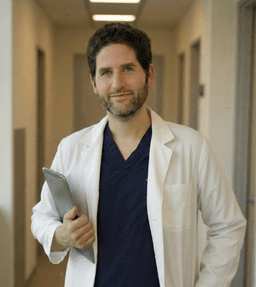
M.D., Dermatologic Surgery & Mohs Specialist, ACMS Fellow
Dr. Yehonatan Kaplan is a dermatology specialist with a US-trained fellowship in Mohs micrographic surgery and dermatologic oncology. He is a Fellow of the American College of Mohs Surgery (ACMS) and a member of the ASDS, with experience in over 6,000 Mohs procedures.
Medically reviewed on February 28, 2026
Related Articles
The Quiet Stretch: Waiting for Biopsy Results
From the moment a sample is taken until the result arrives, patients describe a stretch of days they consistently rate as harder than the visit or the procedure itself. This is not random. It is a well-documented phenomenon across biopsy types, and there are things that change how it feels, even when the timeline itself can't be shortened.
Read More →Patient WellbeingHow I Tell a Patient They Have Skin Cancer
There is one conversation that changes the air in the room. No matter how many times I have it, it does not get smooth. After more than 6,000 Mohs procedures and even more diagnoses, I have learned that the way I deliver the first four words changes everything. This is what I have learned from the other side of the desk.
Read More →Mohs SurgeryThe Biopsy Site Has Healed: Do I Still Need Mohs Surgery?
A skin biopsy site can look clear while questions about further treatment remain. Understand the evidence and prepare useful documents and questions for your consultation.
Read More →